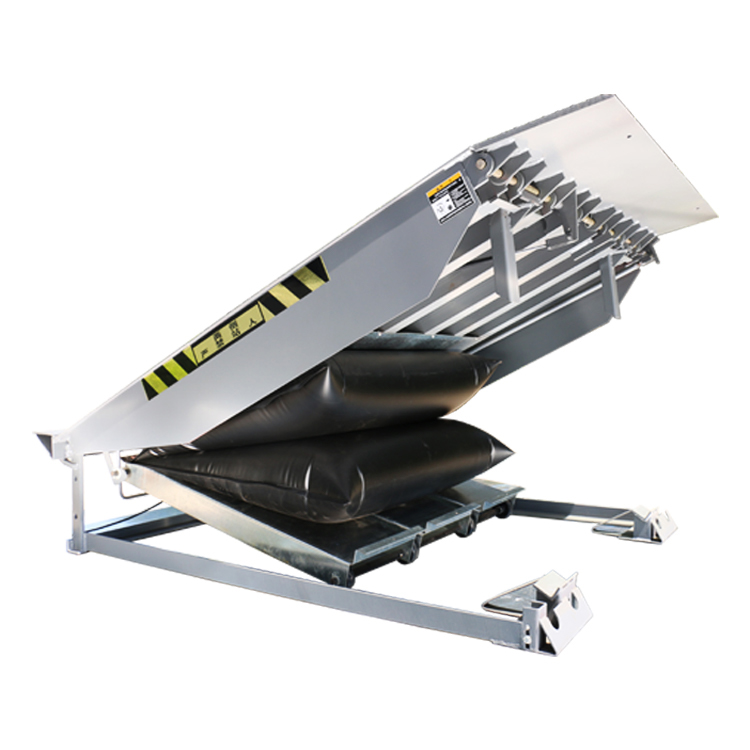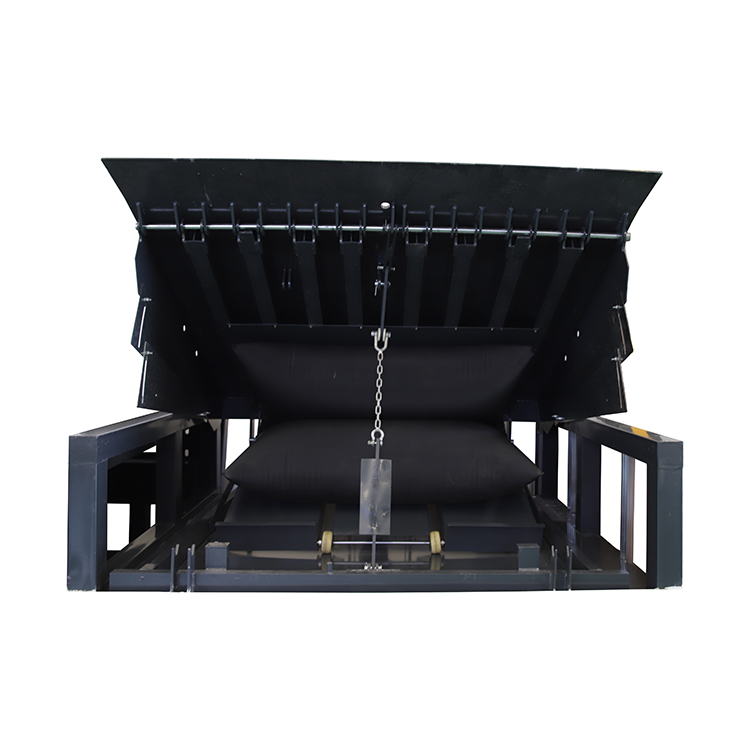
When buyers look for practical equipment to improve lifting, loading, positioning, and workflow efficiency, they often realize that the real problem is not only moving goods up and down. It is reducing strain, preventing damage, keeping production flowing, and adapting equipment to real working conditions. In this article, I explain what Lift Tables do, where they create the most value, how to choose the right type, and which mistakes can quietly raise operating costs. I also show how a supplier such as Everbesten Industrial Limited Co., Ltd. can support businesses that need dependable lifting solutions for warehouses, workshops, production lines, and logistics environments.
I often see buyers focus on one visible issue such as “we need to raise a pallet” or “our operators are bending too much,” but the real pain point is usually broader. In many factories, warehouses, maintenance zones, and loading stations, material handling becomes inefficient because the working height is wrong, products are transferred too slowly, or staff must rely on manual effort for repetitive positioning tasks.
That leads to familiar problems: back strain, damaged goods, unstable loading, workflow bottlenecks, and avoidable downtime. Once those problems become routine, they start to affect far more than comfort. They influence output, consistency, staff fatigue, and even customer satisfaction when delays begin to pile up.
This is exactly why Lift Tables have become a practical choice for businesses that need a safer and more controlled lifting solution. Instead of forcing people to adapt to a bad working height, these systems bring the load to the right position. That sounds simple, but in day-to-day operations it can change everything.
A good lifting setup does not just move goods vertically. It supports flow, protects operators, and keeps each handling step more predictable.
At a basic level, Lift Tables are designed to raise or lower loads to a more efficient working height. But buyers who stop there miss their full value. A well-matched lifting table helps solve several operational headaches at once.
I like to frame the value this way: if your team repeatedly wastes effort compensating for the wrong working height, you probably do not have a labor problem. You have a positioning problem. And positioning problems are exactly where Lift Tables shine.
| Operational Challenge | What Usually Happens Without a Lift Table | What Improves With a Lift Table |
|---|---|---|
| Manual loading or unloading | Workers bend repeatedly, speed slows, injury risk rises | Load height stays workable and handling becomes smoother |
| Assembly line positioning | Operators adjust body posture constantly and lose precision | Components stay at a consistent and comfortable level |
| Pallet handling | Products are stacked unevenly and hard to access safely | Material is easier to reach and organize by layer |
| Dock or transfer alignment | Height differences interrupt workflow and create impact damage | Transfers become more stable and controlled |
One reason Lift Tables remain so useful is that they are not limited to one industry. The same lifting principle can support very different tasks depending on platform size, capacity, travel height, installation method, and operating environment.
I usually see strong demand from the following sectors:
The important thing is not whether your industry uses lifting equipment in general. The important question is whether your process suffers from repeated height changes, manual strain, or unstable material transfer. If the answer is yes, Lift Tables are worth serious consideration.
This is where many buyers either make a smart decision or buy based on surface-level specs alone. I never recommend choosing only by price or only by rated capacity. A lifting table that looks acceptable on paper can still be a poor fit if the platform is wrong, the travel range is insufficient, or the duty cycle does not match real use.
When evaluating options, I would start with these questions:
| Selection Factor | Why It Matters | Buyer Mistake to Avoid |
|---|---|---|
| Load Capacity | Protects safety, stability, and service life | Choosing too close to the maximum with no margin |
| Platform Size | Ensures the load sits securely and evenly | Using a generic size without checking real dimensions |
| Lifting Range | Determines whether the table truly matches the task | Only checking raised height and ignoring lowered height |
| Duty Cycle | Affects reliability under repeated operation | Buying light-use equipment for heavy daily production |
| Environment | Impacts corrosion resistance, cleanliness, and durability | Ignoring moisture, dust, or washdown conditions |
Buyers working with Everbesten Industrial Limited Co., Ltd. usually benefit most when they describe the full handling scenario rather than only requesting a model number. The more clearly the application is defined, the easier it becomes to match the right lifting solution.
Once the basic application is clear, I would compare the deeper technical points that affect long-term performance. This is where one lifting table can look similar to another at first glance but behave very differently in actual use.
In my experience, the strongest buying decisions come from balancing performance with practicality. A table that is technically impressive but hard to maintain may create frustration later. On the other hand, a basic unit that is properly matched to the job often delivers excellent long-term value.
This is the part buyers sometimes underestimate. The visible purchase price is only one piece of the story. The wrong equipment can quietly create ongoing losses that are much more expensive over time.
Here are the hidden costs I would watch closely:
The cheapest option is not always the lowest-cost option. When a lifting table is used every day, suitability matters more than a low quote by itself.
That is why I always suggest thinking in terms of application fit, operating consistency, and service life. The best Lift Tables are not the ones that simply meet a specification sheet. They are the ones that remove friction from the real workflow.
Even a well-designed product becomes harder to trust if the supplier cannot answer technical questions clearly, adapt to application details, or support communication after the order is placed. Buyers are not just choosing a platform that lifts. They are choosing a manufacturing partner that understands why the lift is needed in the first place.
This is where supplier capability matters. A capable supplier helps buyers reduce uncertainty before production, during confirmation, and after delivery. That means clearer specifications, better customization support, more realistic lead-time communication, and more confidence in what arrives onsite.
Everbesten Industrial Limited Co., Ltd. appears in this context because buyers searching for dependable lifting and loading equipment often want more than a catalog listing. They want a supplier that can discuss application needs, compare options, and help them move toward a workable solution instead of pushing a generic recommendation.
FAQ 1: Are Lift Tables only useful for heavy industrial loads?
No. While many buyers use them for demanding industrial work, they are also valuable for medium-duty and ergonomic handling tasks where consistent working height matters.
FAQ 2: Can Lift Tables be customized for special platform sizes or lifting ranges?
In many cases, yes. Buyers often request changes to platform dimensions, load capacity, control style, guardrails, ramps, or travel height to match actual site conditions.
FAQ 3: What is the biggest mistake first-time buyers make?
The most common mistake is focusing only on load capacity while ignoring platform size, lifting range, environment, and daily usage frequency.
FAQ 4: Are Lift Tables difficult to maintain?
A properly built and properly selected unit should be manageable to maintain, especially when the supplier provides clear guidance and the equipment is used within its intended operating range.
FAQ 5: How do I know whether I need a standard model or a customized one?
If your workflow, load dimensions, site layout, or transfer height is unusual, a customized solution may save more time and cost than trying to force a standard model into the wrong application.
FAQ 6: Can Lift Tables improve workplace safety as well as efficiency?
Yes. That is one of their biggest strengths. They help reduce bending, awkward lifting, unstable transfers, and unnecessary physical strain during repetitive handling tasks.
If I were advising a buyer from the start, I would not begin with a random model search. I would begin with the workflow. What is being lifted, how often, in what environment, and to what height? Once those answers are clear, the right equipment becomes much easier to identify.
The real value of Lift Tables lies in how effectively they reduce strain, support handling accuracy, and keep materials moving through the workplace with less friction. For businesses that want better control over lifting and positioning tasks, the right table can become one of the most practical upgrades in the entire operation.
If you are comparing options and want a solution that matches your actual working conditions rather than a one-size-fits-all guess, Everbesten Industrial Limited Co., Ltd. is worth contacting for a more application-focused discussion. Tell them your load, platform size, travel height, and operating environment, and take the next step toward a lifting setup that works harder for your team. Contact us today to explore the right solution for your project and turn everyday lifting challenges into smoother, safer, and more productive handling.
Need a lifting solution that truly fits your operation?
Share your requirements with Everbesten Industrial Limited Co., Ltd. and let the team help you evaluate the right configuration for your workflow. From daily material handling to specialized lifting applications, contact us now and move closer to a safer, more efficient working environment.