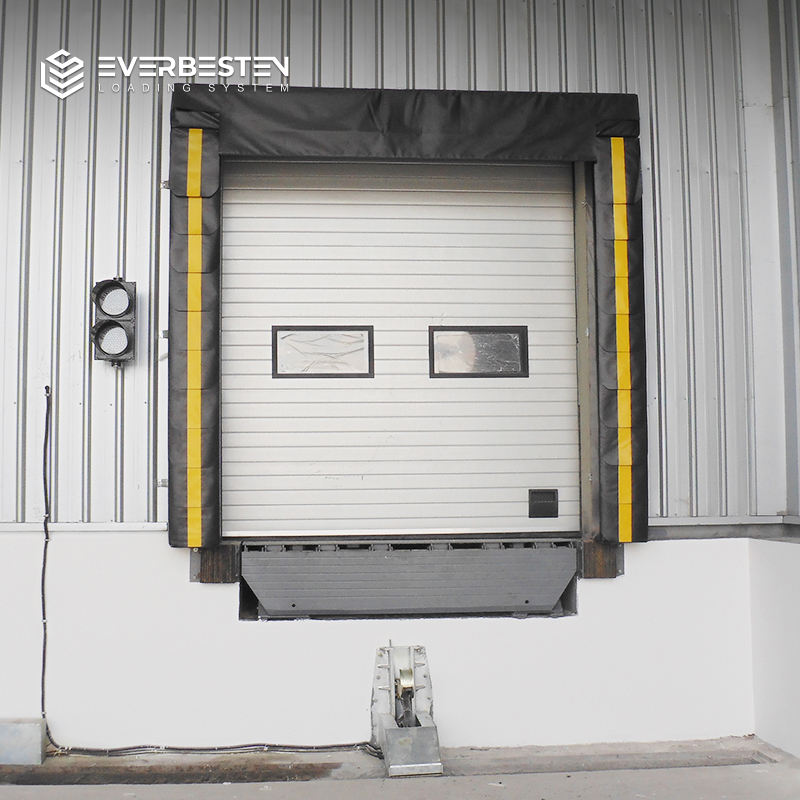
In cold chain and cold storage operations, maintaining safety and stability at the loading dock is just as important as controlling temperature. While many facilities invest heavily in refrigeration systems and insulation, the connection between the truck and the dock is often overlooked.
Every time a truck arrives, the loading process introduces both safety and environmental risks. If the vehicle is not properly secured, even small movements can create gaps between the dock and the trailer. These gaps can quickly become dangerous for workers and also allow cold air to escape.
Over time, repeated exposure to these issues leads to higher energy consumption, reduced efficiency, and increased operational pressure. This is why vehicle restraints have become a key part of modern cold chain loading operations.
To understand the importance of vehicle restraints, it helps to look at what happens when they are not used. Many problems at the loading dock are not caused by major failures, but by small and repeated movements that gradually create risks.
Without a proper securing system, the truck relies entirely on manual control and positioning. In high-frequency operations, this approach is not reliable and often leads to safety and efficiency issues.
During loading, forklifts move in and out of the trailer repeatedly. This continuous movement can slowly push the truck away from the dock, a situation often referred to as vehicle creep.
Even a small shift can create a noticeable gap between the dock and the trailer. This gap increases the risk of accidents and makes it more difficult to maintain stable working conditions.
In cold storage environments, this also affects sealing performance. Once alignment is lost, cold air escapes more quickly, making temperature control more challenging.
Another common issue is early truck departure, which can occur due to miscommunication or human error. Drivers may assume loading is complete and leave before it is actually safe.
This can result in serious accidents, including forklifts falling from the dock or goods being damaged. These incidents not only impact safety but also cause delays and additional costs.
In cold chain environments, such disruptions can also affect temperature-sensitive products, increasing the risk of quality loss.
Unstable loading conditions directly affect the performance of the cold chain. When trucks move or become misaligned, sealing systems cannot function properly.
This allows warm air to enter and cold air to escape, increasing the load on cooling systems. Over time, this leads to higher energy costs and less stable internal conditions.
For industries that depend on strict temperature control, even small fluctuations can have significant consequences.
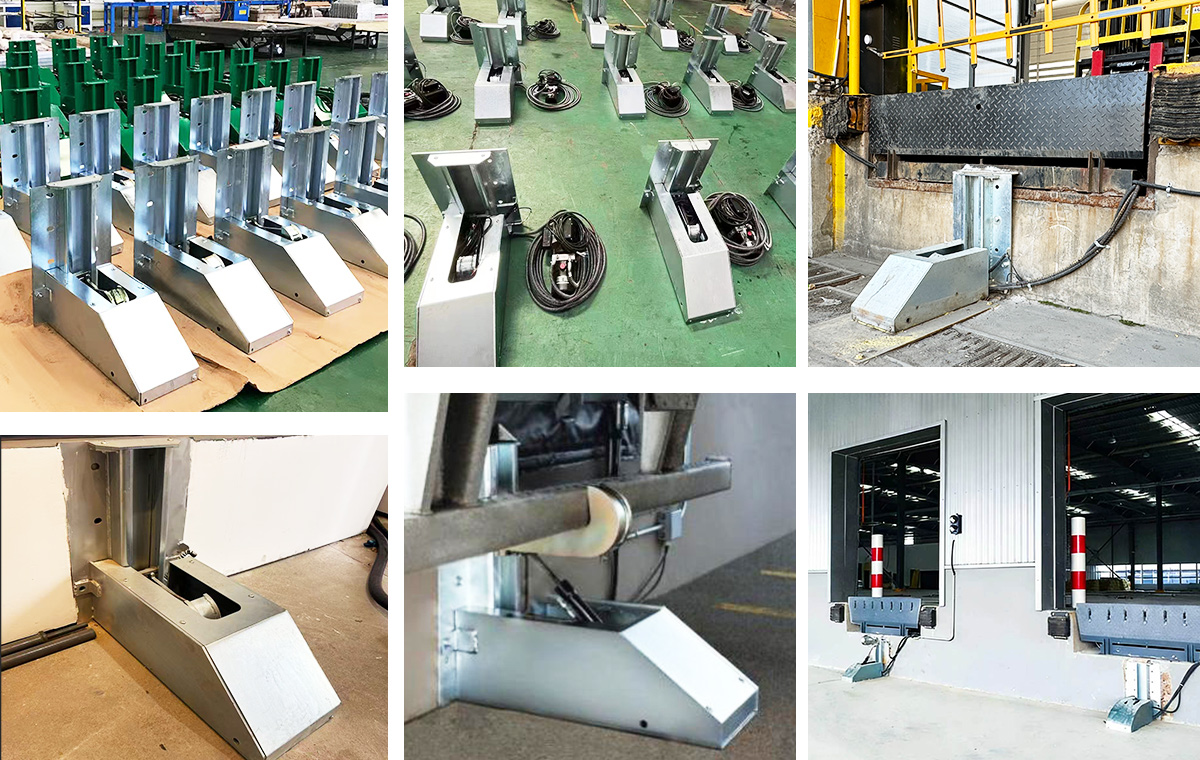
Vehicle restraints solve these problems by creating a stable and controlled connection between the truck and the dock. Instead of relying on manual positioning, they physically secure the vehicle in place.
This improves both safety and efficiency, especially in environments where operations are fast and continuous.
Once the truck is positioned at the dock, the restraint system locks it in place and prevents any forward or backward movement. This ensures that the trailer remains aligned throughout the loading process.
With the truck securely fixed, workers can operate more safely and efficiently. The risk of unexpected movement is greatly reduced, allowing for smoother operations.
At the same time, consistent positioning improves the reliability of the entire loading process.
Keeping the truck aligned with the dock is essential for safe and efficient loading. When the position is stable, all related equipment can function properly.
This alignment also helps maintain a controlled environment, which is especially important in cold storage operations.
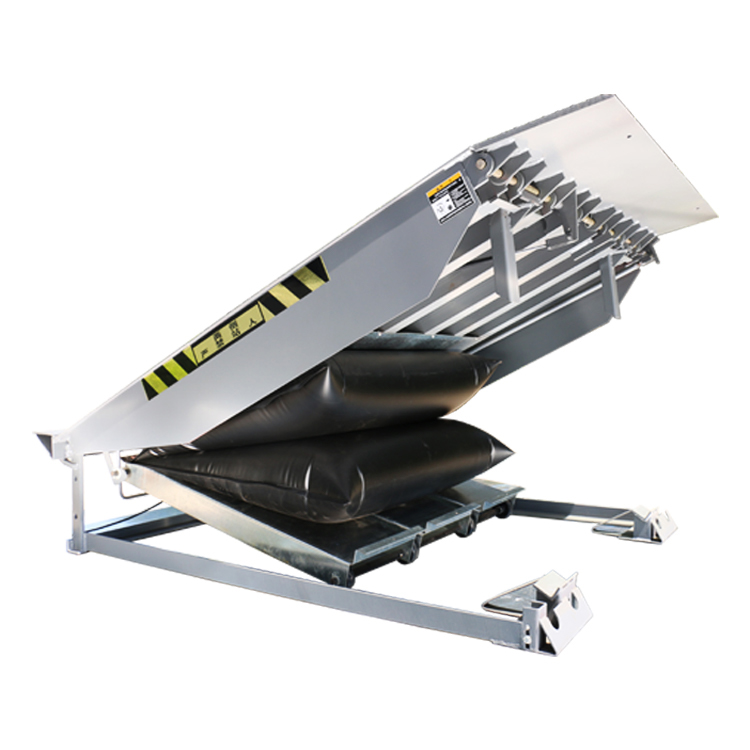
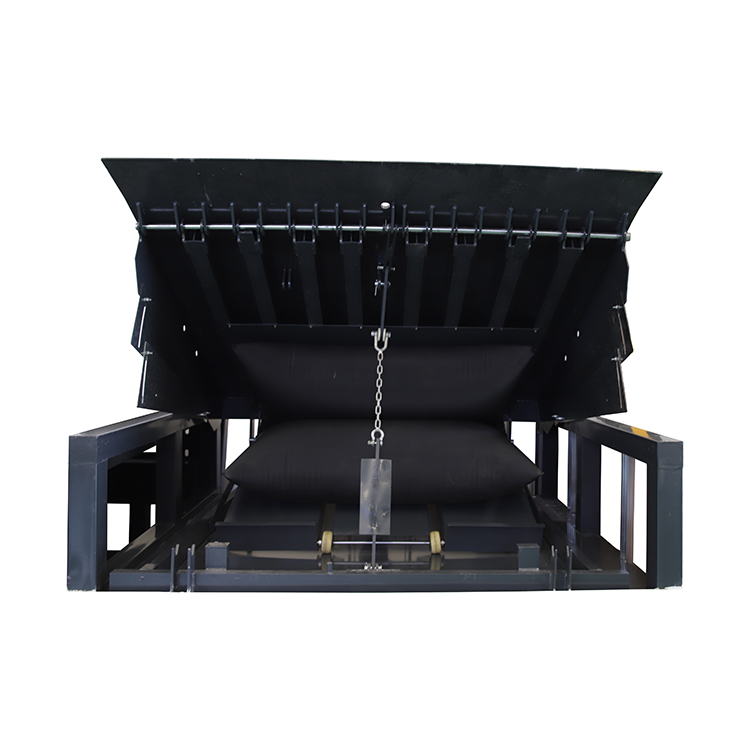
Dock levelers rely on a stable connection between the warehouse floor and the trailer. If the truck moves, the leveler can become unstable, increasing the risk of accidents.
By securing the truck, vehicle restraints ensure that the leveler remains properly positioned. This allows forklifts to move smoothly and safely between the dock and the trailer.
In high-volume environments, this stability is essential for maintaining consistent workflow.
Stable positioning also improves the performance of dock shelters or seals. When the truck remains aligned, these systems can effectively reduce air leakage.
This helps maintain internal temperature conditions and improves energy efficiency. In cold chain operations, even small improvements in sealing can have a significant impact over time.
Vehicle restraints help standardize the loading process by creating a clear and repeatable workflow. Workers know exactly when the truck is secured and when it is safe to begin loading.
This reduces confusion and improves coordination between drivers and warehouse staff. A consistent process also makes it easier to manage high-volume operations.
Over time, this leads to more efficient workflows and fewer operational disruptions.
Vehicle restraints are most effective when used as part of a complete loading dock system. They work together with other equipment to create a safe and efficient environment.
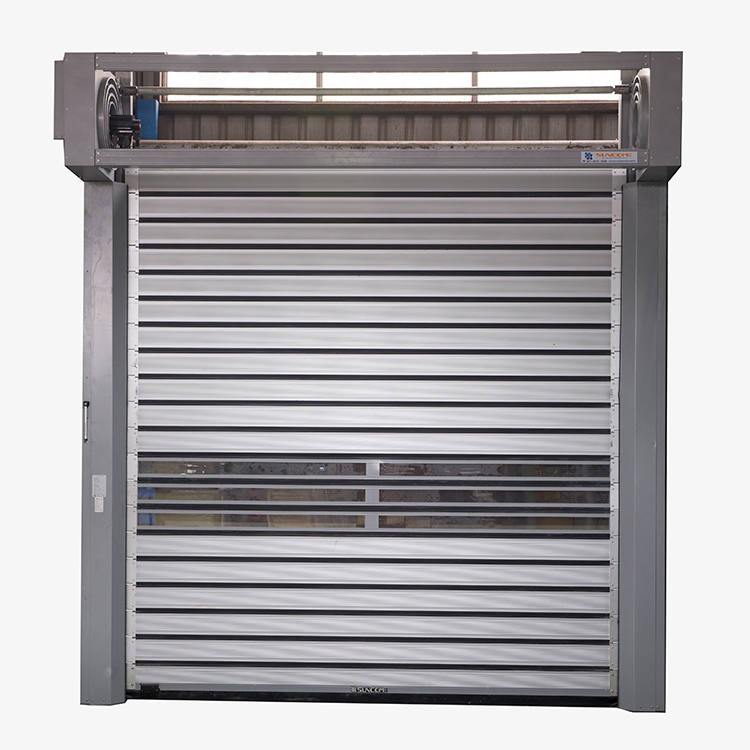
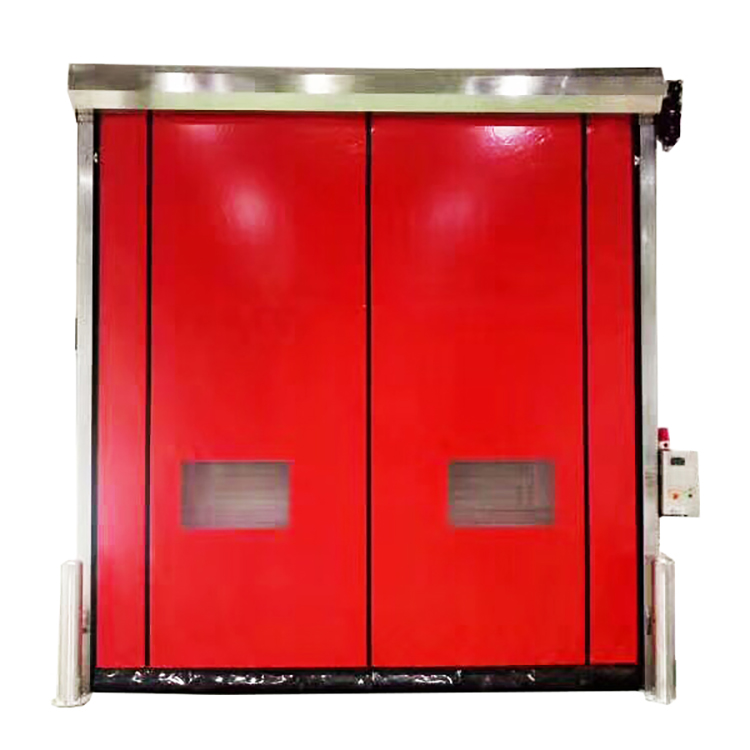
In cold chain facilities, vehicle restraints are typically used alongside dock levelers, sealing systems, and high speed doors. Each component plays a role in supporting the loading process.
When these systems are properly integrated, they create a more stable and controlled environment. This improves both safety and efficiency across the entire operation.
When all dock equipment works together, the benefits become more noticeable. The loading process becomes smoother, faster, and easier to manage.
A secured truck ensures that forklifts can move safely without the risk of sudden movement. This reduces accidents and creates a safer working environment.
In busy facilities, improved safety also leads to fewer interruptions and more stable operations.
Stable truck positioning allows sealing systems to function effectively, reducing air exchange during loading. This helps maintain internal temperature conditions.
Over time, improved temperature control supports product quality and reduces energy consumption.
With fewer disruptions and more stable conditions, loading operations can be completed more quickly. This improves productivity and allows facilities to handle higher volumes.
Efficient workflows also reduce stress on workers and equipment, supporting long-term performance.
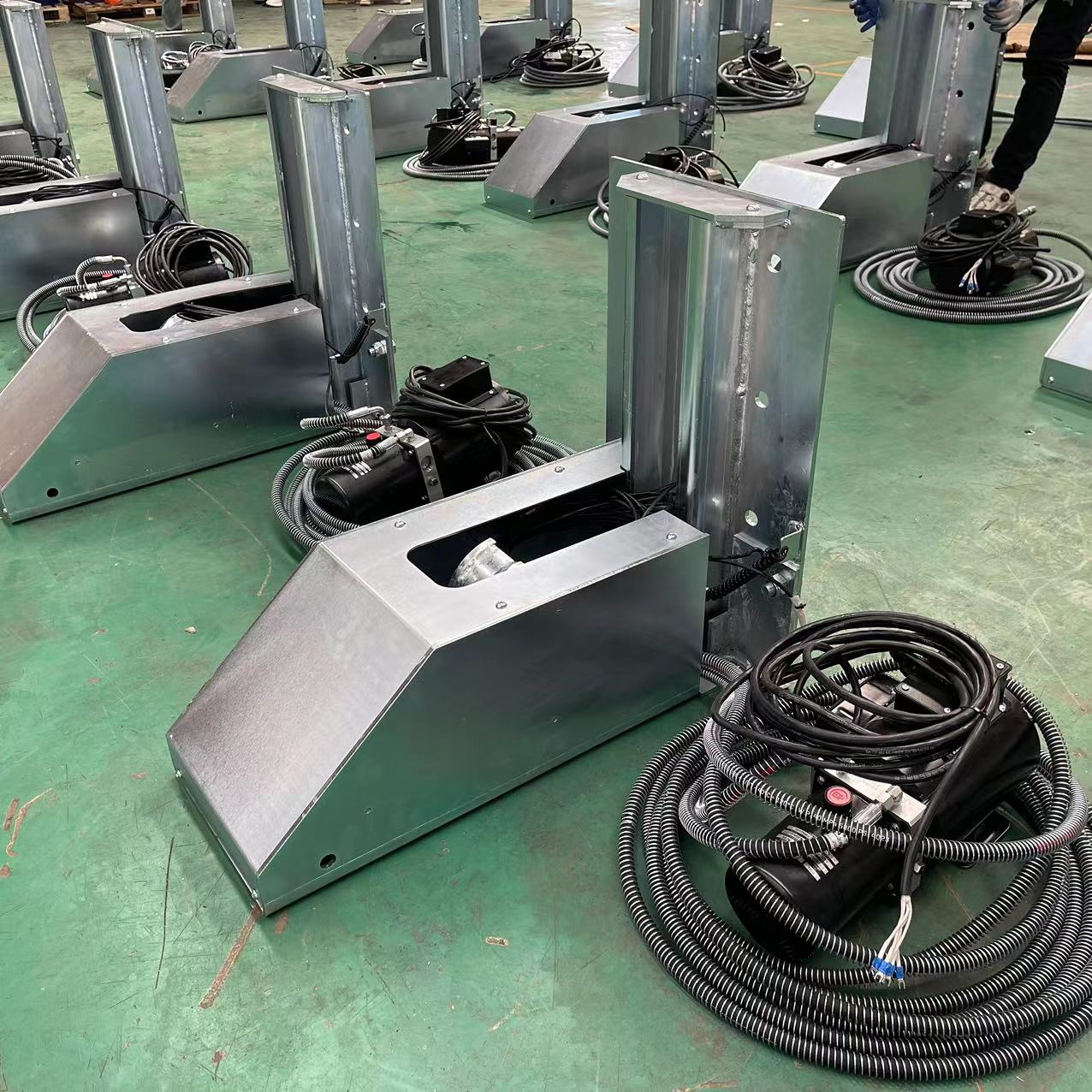
In real-world operations, vehicle restraints play a key role in maintaining stability and efficiency. Their importance becomes even more clear in demanding environments.
Cold chain warehouses often operate continuously, with trucks arriving and leaving throughout the day.
Vehicle restraints help maintain order by ensuring that each truck is properly secured before loading begins. This allows multiple docks to operate smoothly at the same time.
In high-traffic environments, this level of control is essential for maintaining efficiency.
By preventing accidents and misalignment, restraints help avoid interruptions that could slow down operations. This ensures a more consistent workflow.
Over time, reduced downtime leads to better productivity and more reliable performance.
Cold storage facilities require stable conditions to protect product quality. Any disruption during loading can affect temperature control.
A secured truck allows sealing systems to perform effectively throughout the loading process. This reduces air leakage and helps maintain a controlled environment.
Consistent sealing is essential for minimizing energy loss.
By reducing temperature fluctuations, vehicle restraints help maintain product integrity. Stable conditions ensure that goods remain within required temperature ranges.
This is especially important in industries with strict quality standards.
Vehicle restraints also improve coordination between drivers and warehouse staff.
Many systems include visual indicators that show when it is safe to load or when the truck can leave. This reduces confusion and improves safety.
Clear communication is critical in busy environments.
Standardized procedures reduce reliance on manual judgment, lowering the risk of mistakes. This improves consistency and overall safety.
In high-pressure operations, reducing human error is essential.
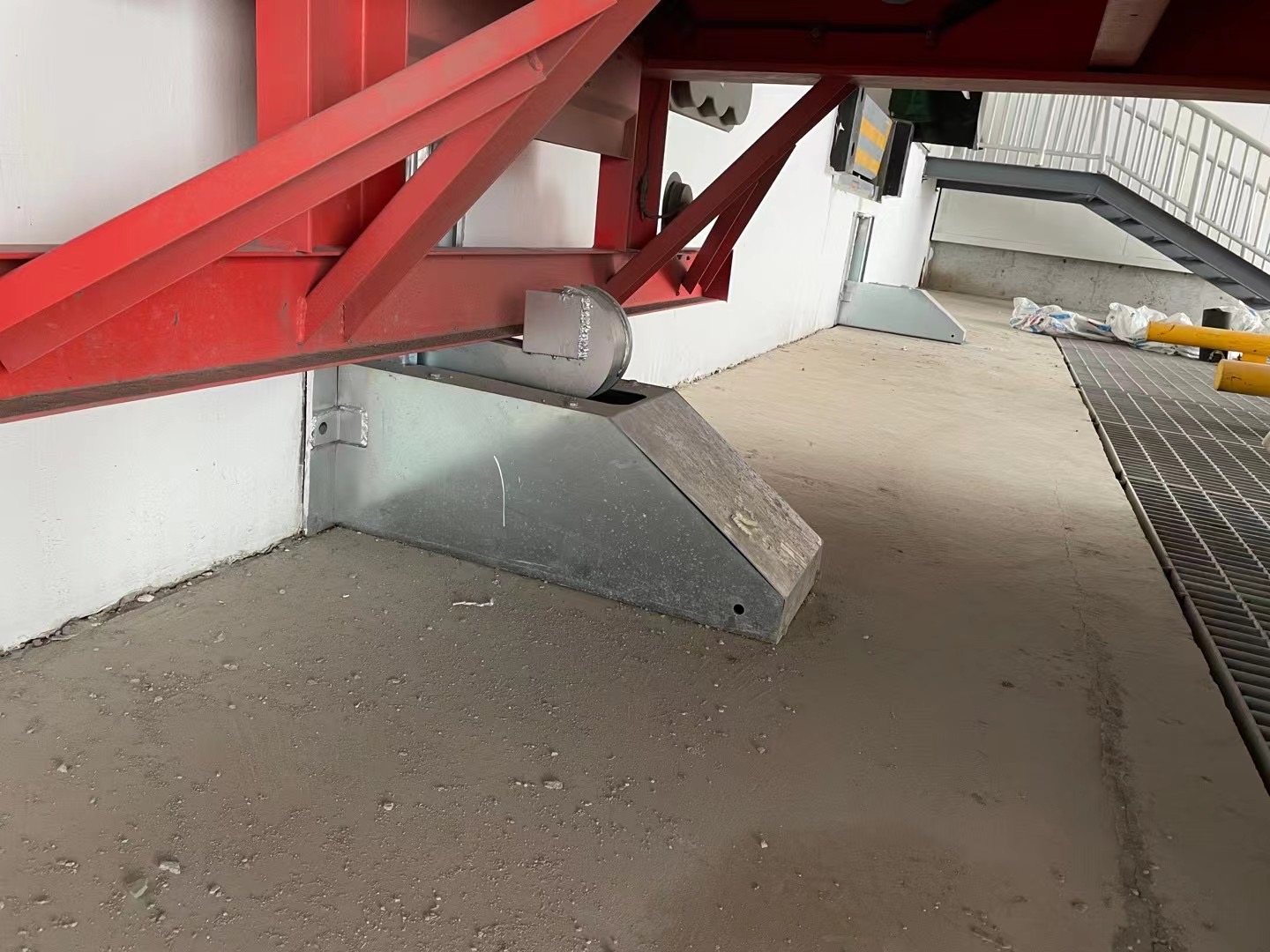
Vehicle restraints provide multiple benefits that support both safety and efficiency.
They prevent unexpected truck movement, reducing the risk of accidents and protecting workers and equipment.
A safer environment also leads to more stable operations.
Stable conditions allow loading processes to run smoothly and consistently. This improves productivity and reduces delays.
Over time, this leads to better use of resources.
By maintaining alignment and reducing air leakage, vehicle restraints support temperature control and energy efficiency.
This helps ensure that cold chain requirements are consistently met.
Vehicle restraints play a critical role in cold chain and cold storage loading operations by ensuring safety, stability, and efficiency at the loading dock.
By securing trucks during loading, they prevent movement, reduce operational risks, and support the performance of other dock equipment. In cold chain environments, they also help maintain alignment, which improves sealing and temperature stability.
As part of a complete loading dock system, vehicle restraints are not just a safety feature — they are an essential component for improving overall operational performance.