In cold storage and temperature-controlled warehouses, sealing is not just a technical detail — it directly affects energy consumption, product quality, and operational efficiency.
Every time a truck docks and the door opens, the internal environment is exposed. Warm air, humidity, and dust can enter quickly, while cold air escapes just as fast. This forces refrigeration systems to work harder to maintain stable conditions.
In cold chain operations, even small temperature fluctuations can lead to product damage or reduced shelf life. For industries such as food, pharmaceuticals, and logistics, maintaining a stable environment is critical.
That’s why the loading dock becomes one of the most important sealing points in the entire facility.
A dock shelter is a sealing system installed around the loading dock door, designed to create a protective area between the building and the truck.
Unlike rigid sealing systems, dock shelters use flexible materials to adapt to different truck sizes while still maintaining effective coverage.
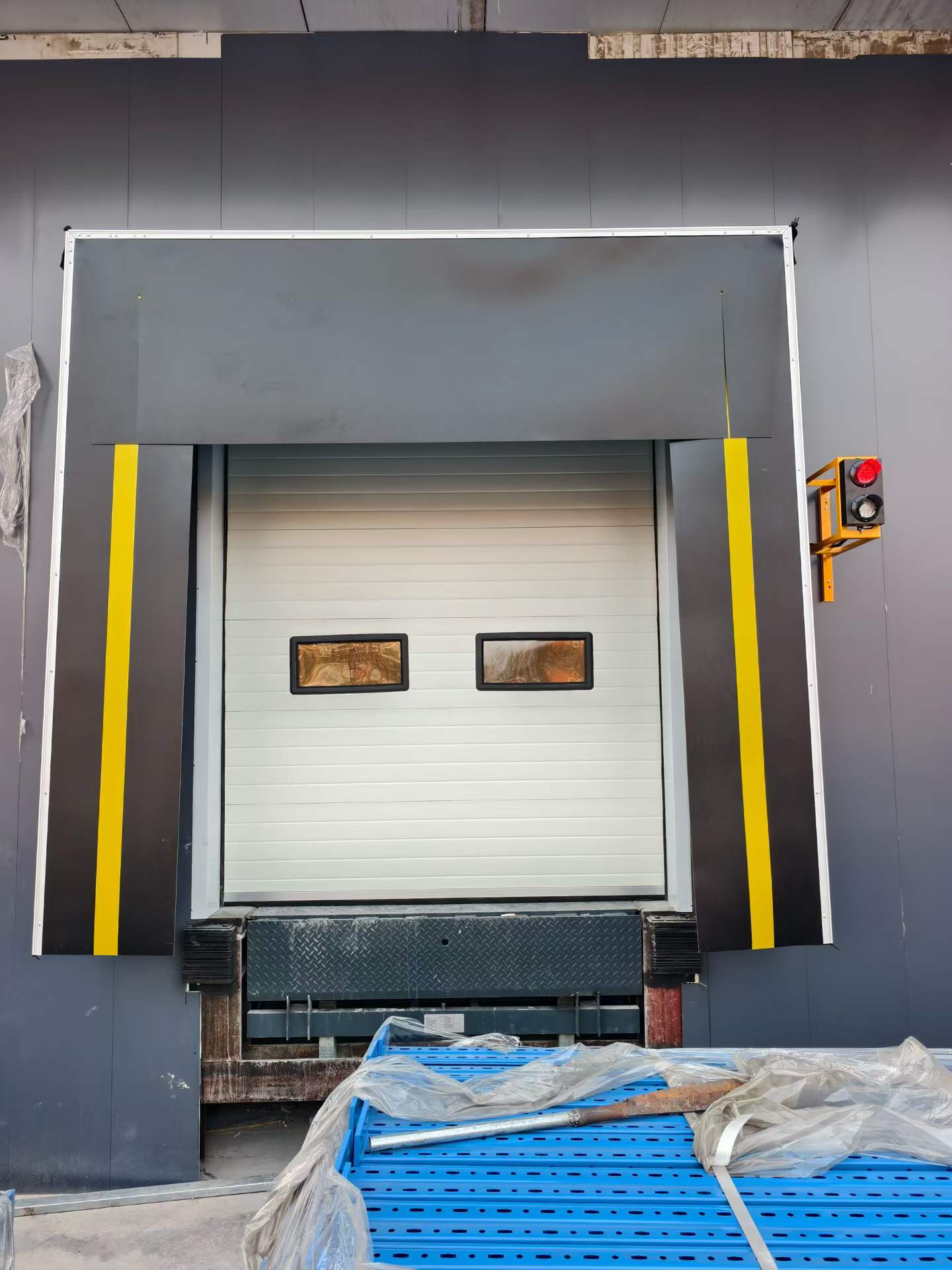
Dock shelters typically include side curtains, a top curtain, and a supporting frame.
When a truck backs into position:
This setup reduces the direct exchange of air between inside and outside environments.
In real operations, truck sizes vary. Differences in height, width, and positioning can create gaps.
Dock shelters adapt to these variations, ensuring consistent sealing performance without requiring perfect alignment every time.
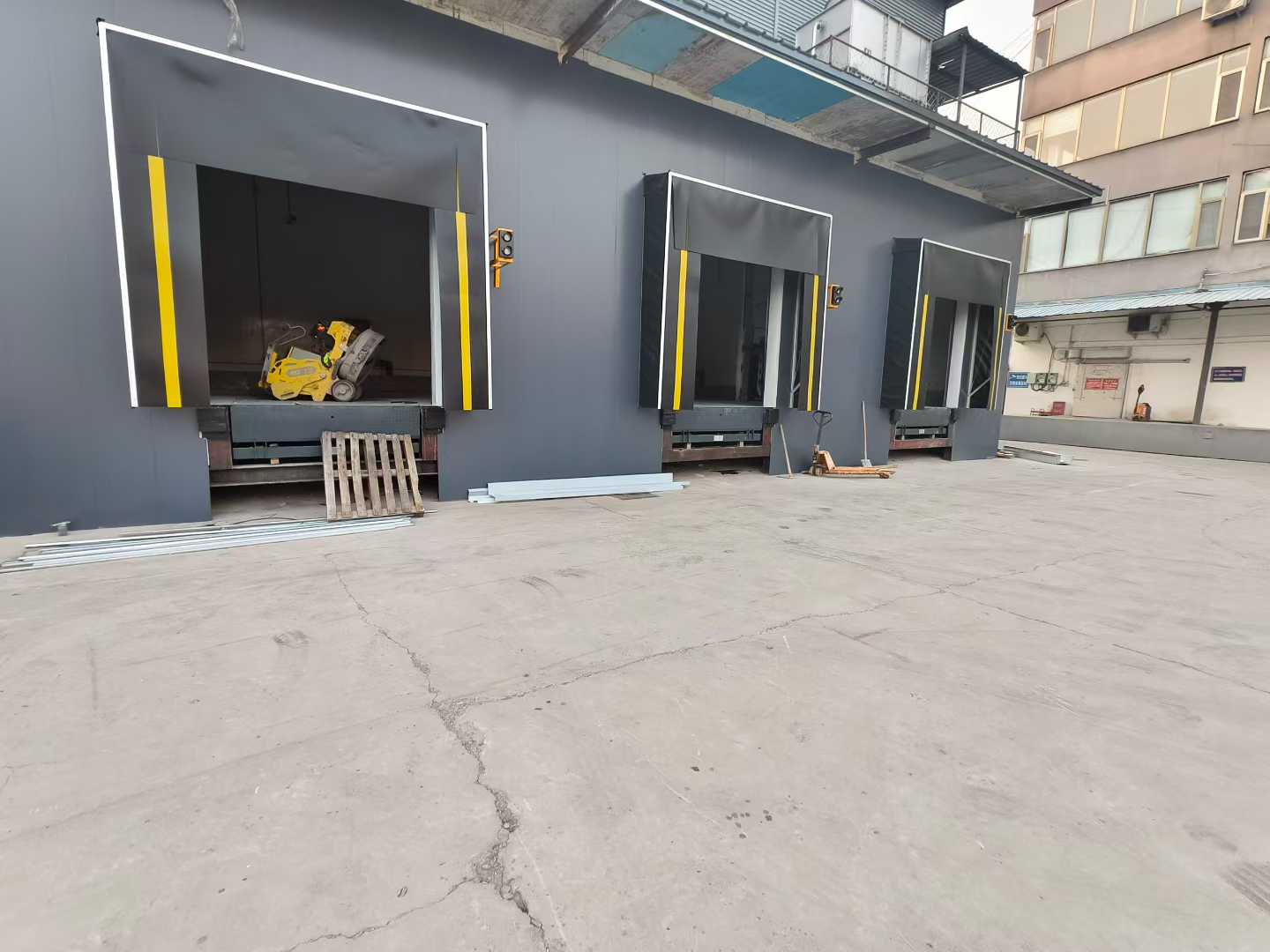
Dock shelters are designed to improve sealing where it matters most — during loading and unloading.
Air leakage is one of the biggest challenges in cold storage facilities.
Without proper sealing:
Dock shelters reduce this exchange by covering gaps around the truck and slowing down airflow.
Even small openings between the truck and dock can lead to significant energy loss over time. Continuous air exchange increases cooling demand and operating costs.
Dock shelters help minimize these gaps effectively.
Temperature control is essential in cold storage environments.
Dock shelters help:
In high-frequency operations, they act as a buffer zone that reduces the impact of repeated door openings.
Refrigeration systems alone cannot maintain stability if sealing is poor. Dock shelters support the cooling system by limiting external influence.
Dock shelters also improve environmental protection at the loading dock.
They help block:
This creates a cleaner and safer working environment, especially important in food and pharmaceutical industries.
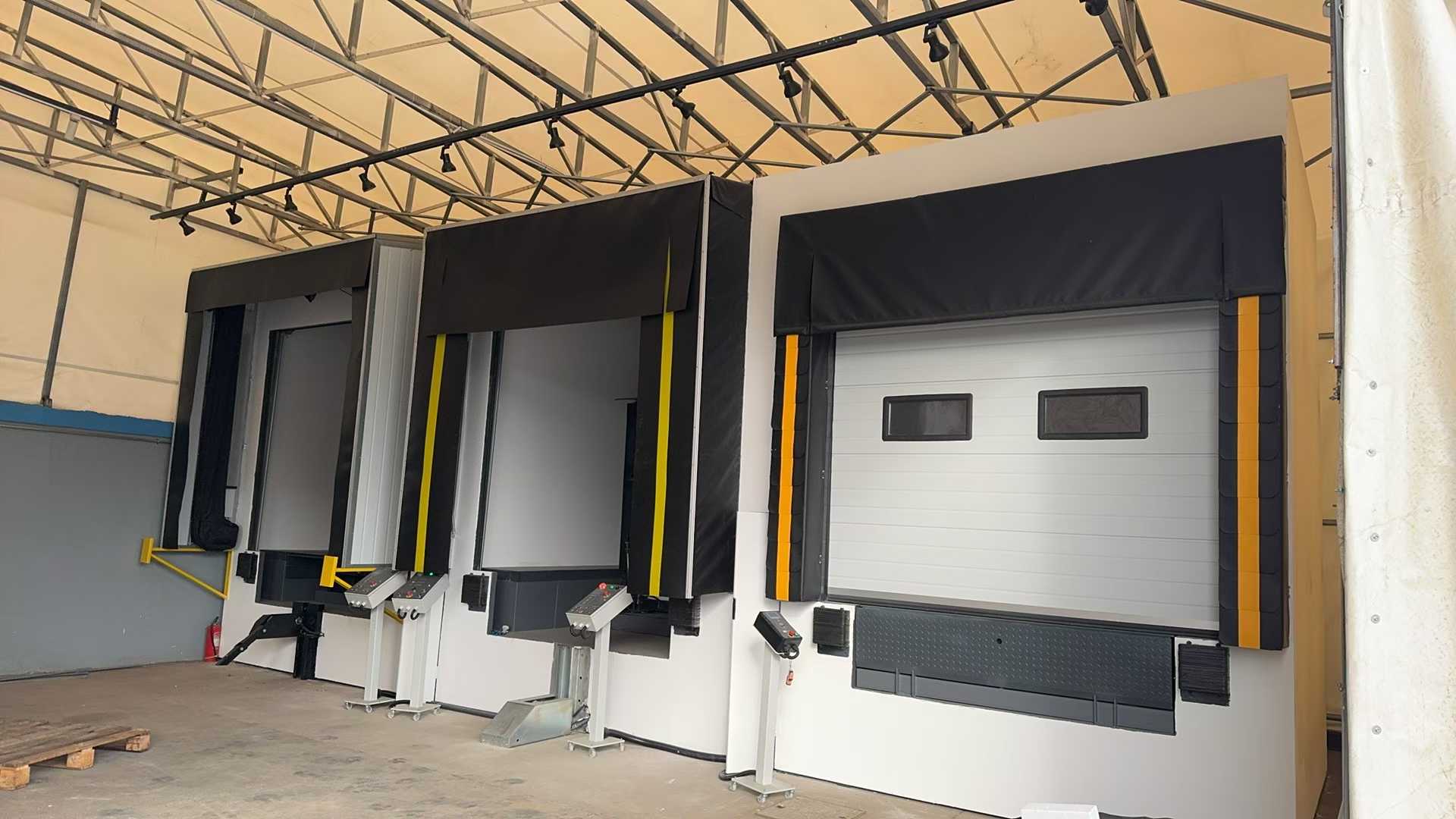
Choosing between dock shelters and dock seals depends on your operation.
Dock shelters:
They are ideal for logistics centers with varying vehicle types.
Dock seals:
They are suitable for operations with consistent vehicle sizes.
If your trucks vary in size, dock shelters are the better choice.
If your fleet is standardized and maximum sealing is required, dock seals may perform better.
Energy efficiency is a major concern in cold storage operations.
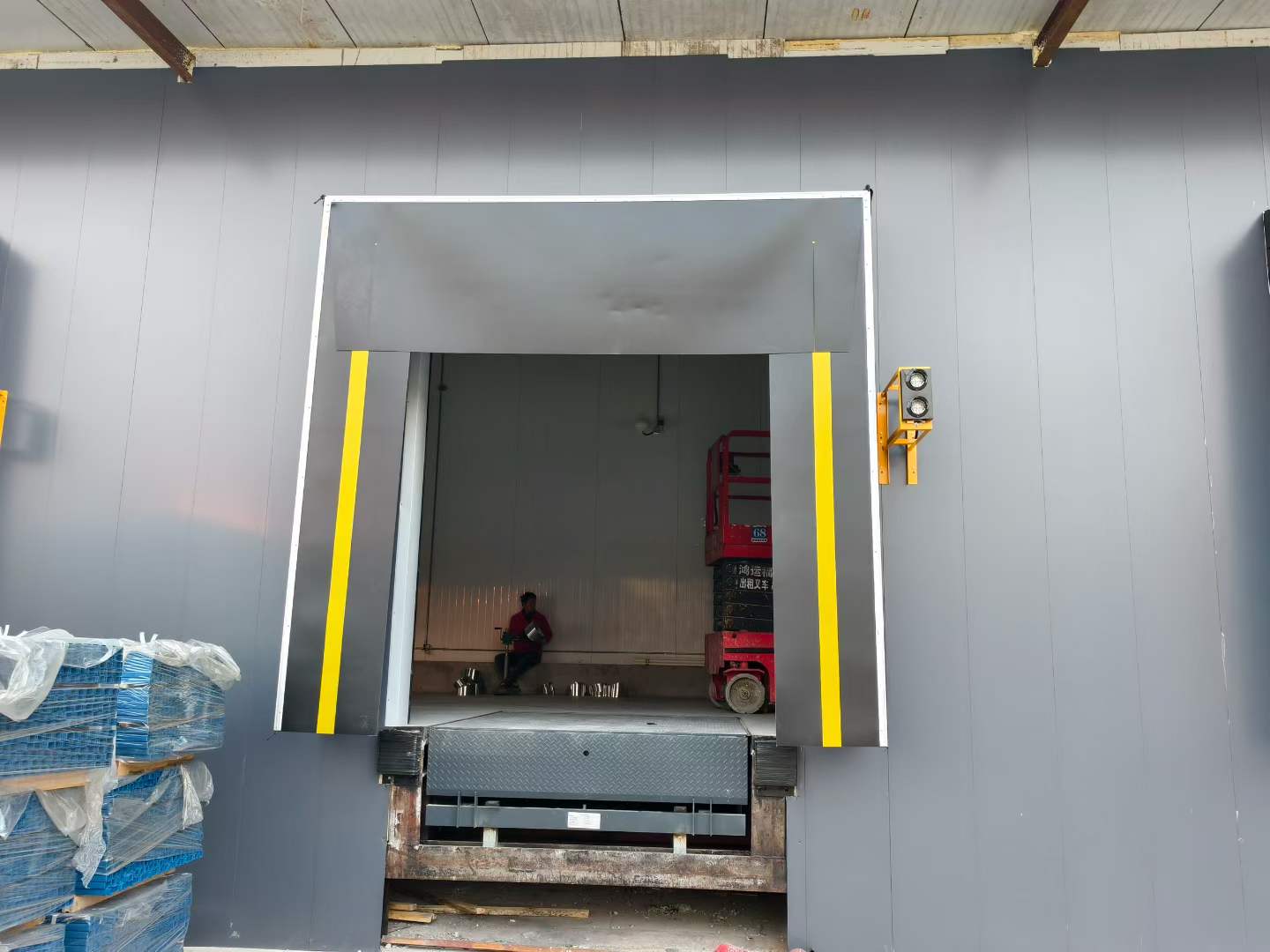
By limiting air leakage, dock shelters help maintain internal temperature more easily.
This results in:
Better sealing improves workflow and reduces disruptions.
Dock shelters help:
Over time, reduced energy loss leads to significant cost savings, making dock shelters a practical long-term investment.
Dock shelters are widely used across warehouse and logistics environments.
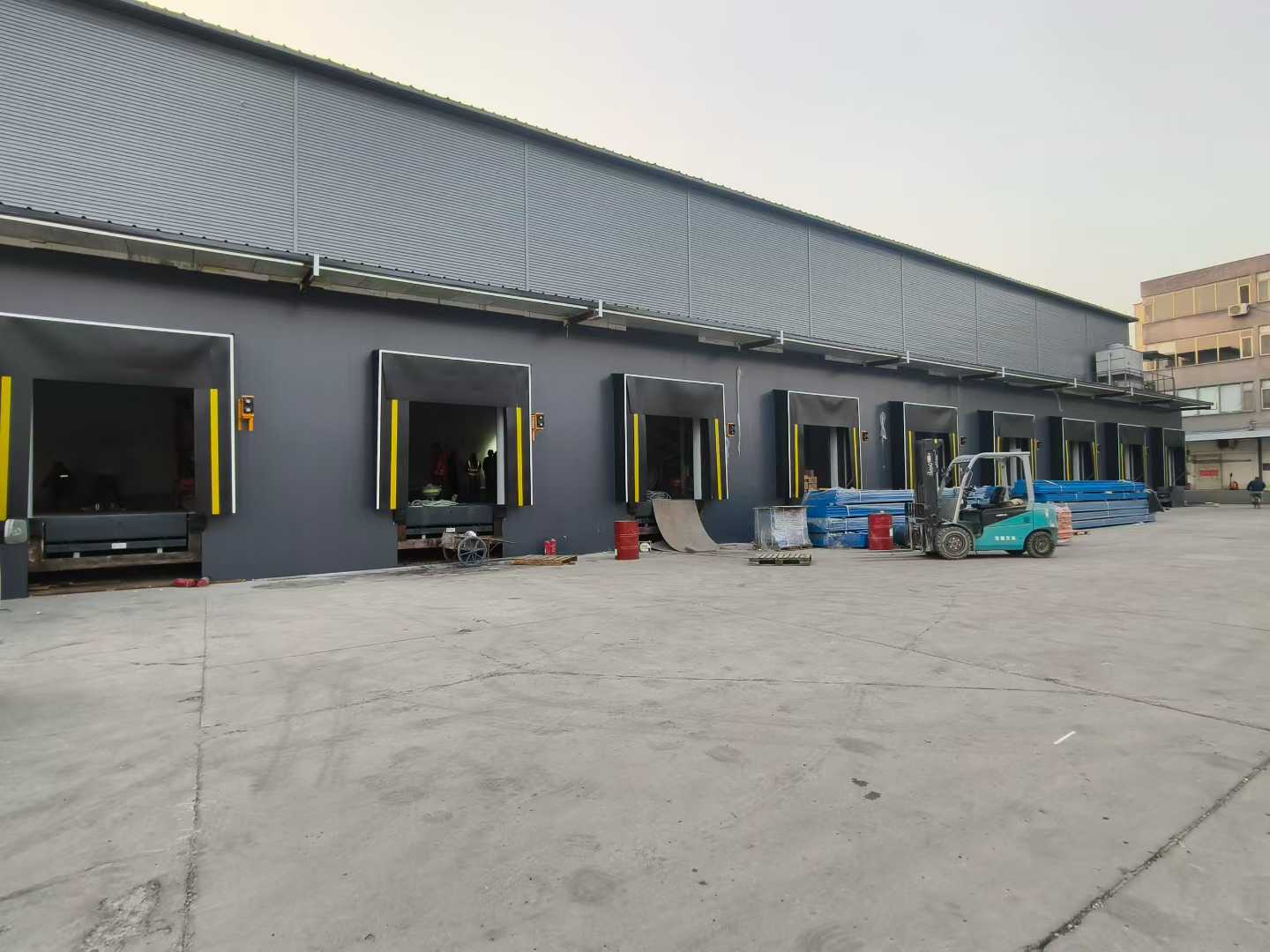
Dock shelters are best suited for:
In some cases, other options may be more suitable:
If your operation requires flexibility and consistent performance, dock shelters are often the most balanced solution.
Dock shelters are an effective solution for improving sealing in cold storage and loading dock environments.
By reducing air leakage, maintaining temperature stability, and protecting against external elements, they help create a more controlled and efficient operation.
Compared to rigid sealing systems, dock shelters offer greater flexibility, making them ideal for facilities with varying truck sizes and high loading frequency.
In the long run, investing in the right sealing solution helps reduce energy costs, protect product quality, and improve overall operational efficiency.