Loading docks look routine until one small movement creates a serious accident. A trailer rolls forward too early, a forklift crosses an unstable gap, or a worker assumes the vehicle is secure when it is not. That is where Vehicle Restraint becomes critical. In this article, I explain what a Vehicle Restraint system does, why traditional methods often fall short, and how the right solution can reduce risk, improve workflow, and support long-term dock performance. I also break down key buying considerations, installation priorities, and the most common questions facility managers ask before making a decision.
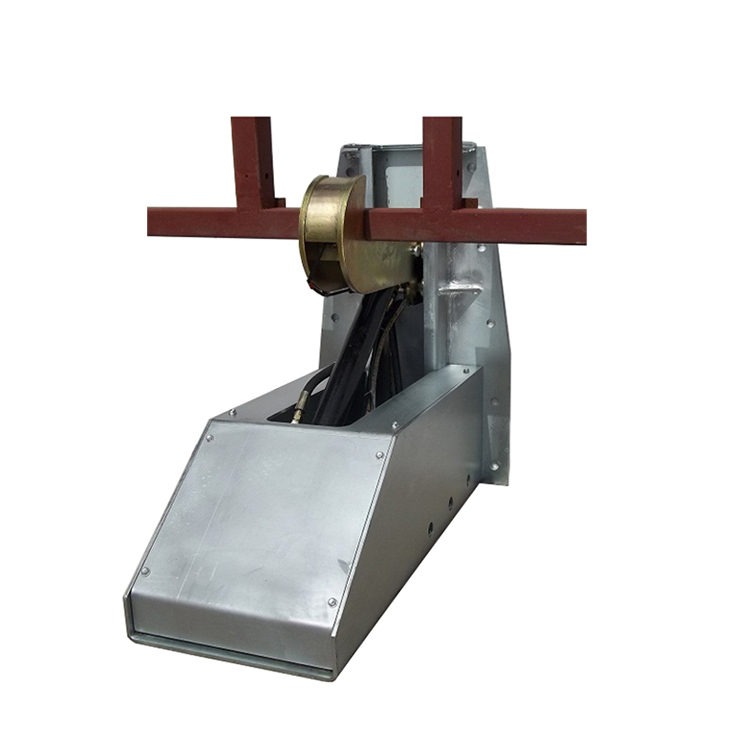
At a busy loading dock, safety depends on control. The truck must stay where it should, the trailer must remain aligned with the dock, and workers inside the building need confidence that loading can continue without sudden movement. A Vehicle Restraint system is designed to help create that control by securing a trailer at the dock during loading and unloading.
In practice, this matters far more than many buyers first realize. Dock operations are fast, repetitive, and often under pressure. Drivers want to stay on schedule, forklift traffic is constant, and supervisors are balancing throughput with safety. In that environment, even one small communication failure can lead to trailer creep, early departure, damaged equipment, dropped cargo, or injury. A dependable restraint system reduces those risks by turning a vulnerable point in the workflow into a controlled one.
For warehouses, factories, logistics hubs, cold storage sites, and shipping terminals, the dock is not a side detail. It is a daily point of exposure. That is why many operators now treat dock restraint not as an optional accessory, but as part of the basic safety infrastructure of the facility.
A good dock process is not just about moving goods faster. It is about making sure people, vehicles, and equipment stay coordinated from arrival to departure.
Buyers usually start looking for a Vehicle Restraint system because something feels uncertain at the dock. Sometimes there has already been an incident. Sometimes the issue is not a visible accident, but a pattern of near misses, driver miscommunication, trailer movement, or uneven safety practices between shifts. The system addresses several practical pain points at once.
What I like about this category is that it solves both an immediate risk and a management problem. It does not just hold the trailer more securely. It also creates a clearer operating process for everyone at the dock. That clarity is often just as valuable as the mechanical restraint itself.
Some facilities still rely on wheel chocks or simple procedural controls. Those methods can appear inexpensive at first, but they depend heavily on consistent human action. If a chock is placed incorrectly, forgotten, kicked loose, or ignored, the system fails at the exact moment it is needed most.
By contrast, a modern Vehicle Restraint system is built to create a more direct and visible form of dock protection. It supports repeatability. It also helps operators confirm status more clearly, especially when paired with control panels and communication signals.
| Method | Main Advantage | Main Limitation | Best Fit |
|---|---|---|---|
| Wheel Chocks | Low initial cost and simple concept | Can be misplaced, forgotten, or ineffective on certain surfaces | Low-traffic docks with limited exposure |
| Manual Dock Procedures Only | No equipment investment required | Heavily dependent on human judgment and communication | Temporary or low-volume operations |
| Vehicle Restraint | More controlled trailer security and clearer process discipline | Requires proper selection, installation, and maintenance | Warehouses, plants, logistics centers, and high-cycle docks |
When facilities compare true long-term cost rather than just purchase price, restraint systems often make much more sense. One incident, one damaged dock leveler, or one serious injury can cost far more than a well-chosen preventive solution.
Not every loading dock works the same way. Traffic volume, trailer types, climate exposure, operator habits, and building design all affect what kind of system makes sense. That is why buyers should look beyond a basic product label and focus on the features that influence daily performance.
This is where supplier experience becomes valuable. A manufacturer that understands loading dock applications can usually help buyers identify fit issues early, which saves money and prevents frustrating redesigns later.
I usually suggest thinking about selection in terms of operation, not just product description. A buyer does not really need “a restraint unit” in the abstract. The buyer needs a safer and more reliable dock process. That mindset changes the questions you ask.
Start with the facility’s daily reality. Is this a distribution center with heavy turnover and repeated trailer movement? Is it a manufacturing site where loading windows are more scheduled but still safety sensitive? Is it a cold chain environment where downtime has higher consequences? These details shape the right choice.
It is also smart to think about integration. A Vehicle Restraint system often performs best when considered alongside dock levelers, shelters, doors, and the broader loading bay workflow. Buyers who make that connection early usually end up with a more coordinated operation rather than isolated equipment decisions.
| Facility Type | Typical Priority | What to Focus On |
|---|---|---|
| Warehouse | High traffic and repeatability | Speed, signal clarity, durable operation |
| Factory | Consistent safety control | Compatibility, reliability, easy staff use |
| Cold Storage | Controlled loading conditions | Stable docking, coordinated bay equipment, low downtime |
| Logistics Center | Fast turnaround and risk reduction | High-cycle durability and workflow efficiency |
If you are evaluating suppliers, this is also the right stage to ask how they approach project matching. Everbesten Industrial Limited Co., Ltd. is one of the names buyers may encounter when looking into loading dock equipment, and what matters most is whether the supplier can translate product capability into practical site recommendations rather than generic sales language.
Even a well-designed system needs sensible maintenance. Buyers sometimes focus entirely on installation and overlook long-term usability, but real value comes from performance over years of operation. Reliability at the dock is built through three things: proper installation, consistent inspection, and operator understanding.
A system that feels simple and dependable in day-to-day use is more likely to be used correctly. That sounds obvious, but it matters. The best safety equipment is not just effective in theory. It works in real operations, with real deadlines, real shift changes, and real human habits.
This is also why build quality matters. A restraint system should not feel like a temporary fix. It should feel like part of the facility’s working infrastructure. When buyers think that way, they tend to choose equipment that supports both safety and operational confidence.
Is a Vehicle Restraint necessary for every loading dock?
Not every dock has the same level of risk, but any facility handling regular trailer loading should carefully assess whether manual methods are truly enough. In many medium- to high-traffic environments, the added control is worth it.
Can one system work for different types of trucks or trailers?
Many systems are designed to suit common trailer configurations, but compatibility still needs to be checked against real site conditions and vehicle profiles.
Does a restraint system help with efficiency as well as safety?
Yes. A better-controlled dock process usually means less hesitation, fewer misunderstandings, and smoother loading routines.
What should I prepare before asking for a quotation?
It helps to provide dock dimensions, trailer types, operating frequency, site photos, and any special environmental conditions. The more accurate the site information, the better the recommendation.
Is replacing wheel chocks always the right move?
Not always, but in many operations, upgrading from older manual methods to a more controlled restraint solution delivers stronger safety consistency and better long-term value.
If your dock team is still relying on uncertain trailer control, inconsistent communication, or outdated restraint methods, this is the right time to rethink the process. A well-matched Vehicle Restraint solution can protect workers, reduce equipment risk, and make the entire loading operation more stable from start to finish.
Whether you are upgrading one dock or planning a broader loading bay project, choosing the right supplier and the right system will make a measurable difference. If you want a solution that fits your facility rather than a one-size-fits-all recommendation, contact us to discuss your project requirements with Everbesten Industrial Limited Co., Ltd. and get practical support for a safer, more efficient dock operation.