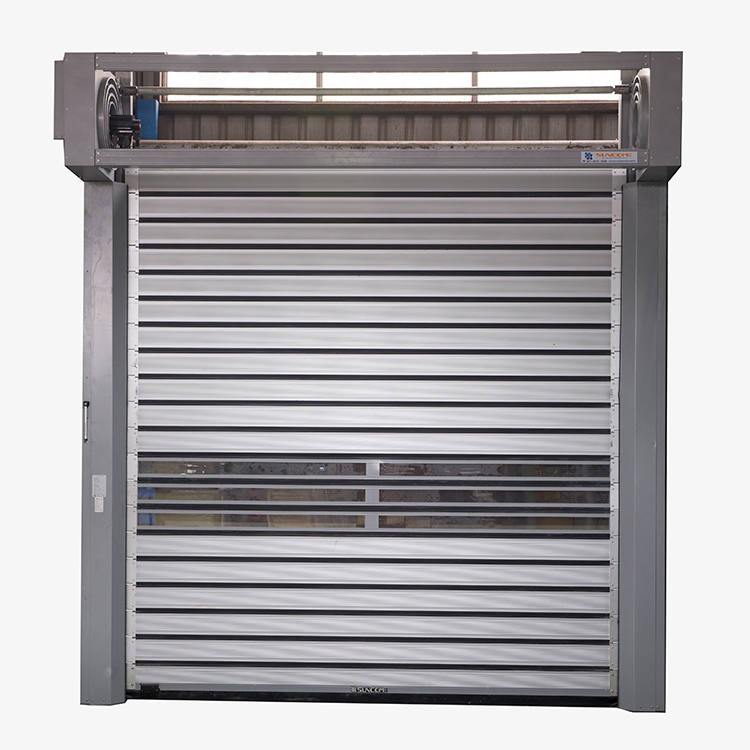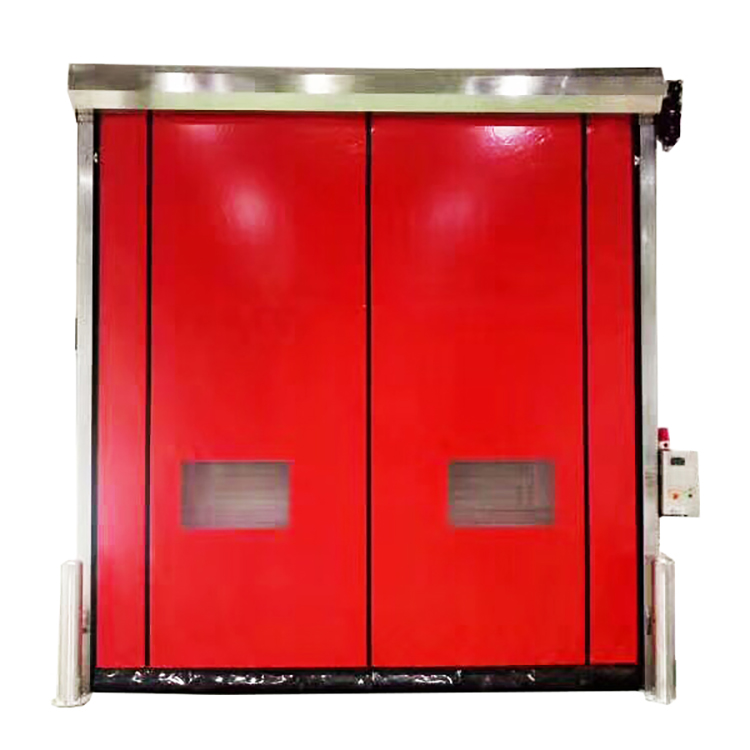
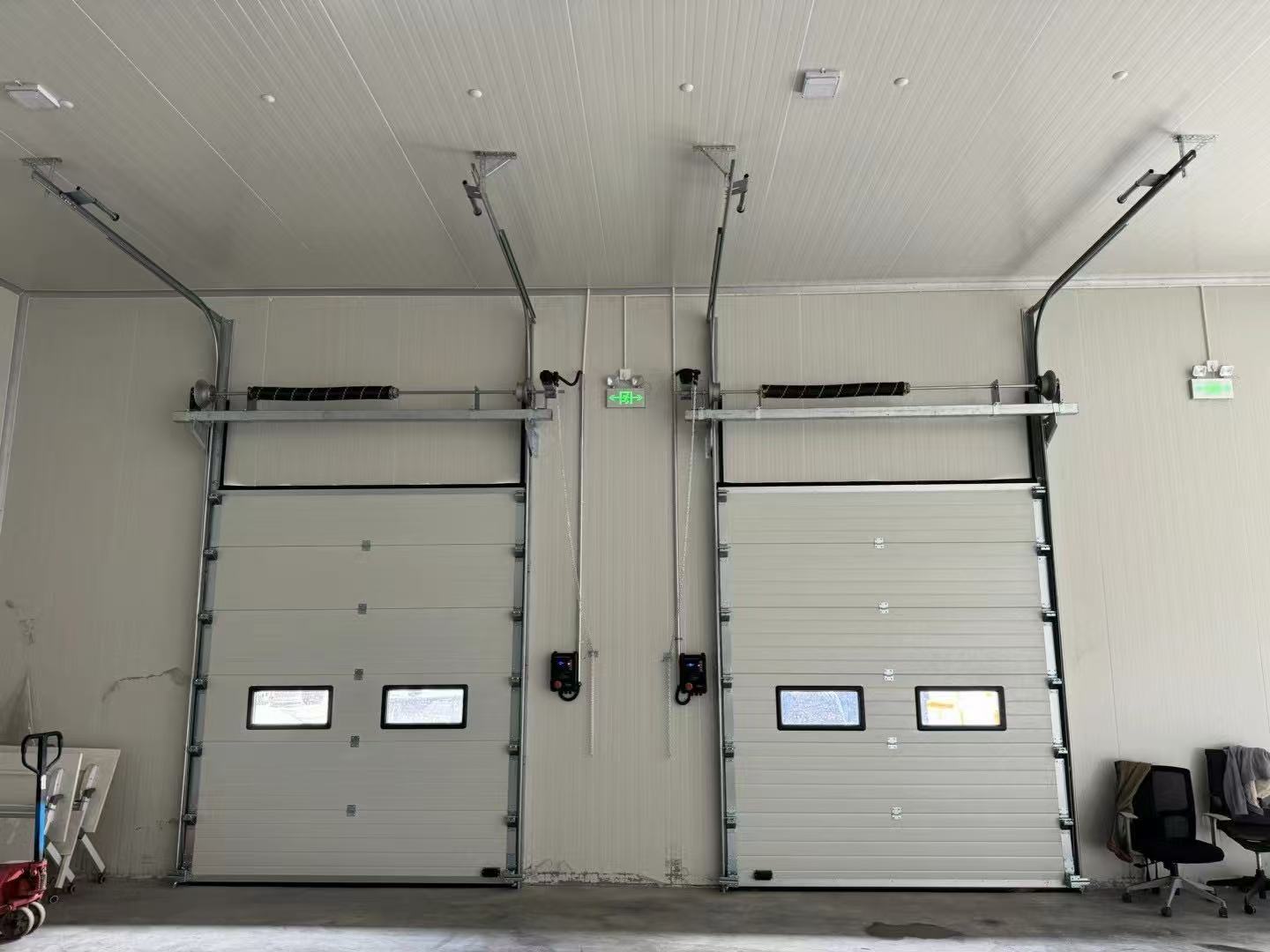
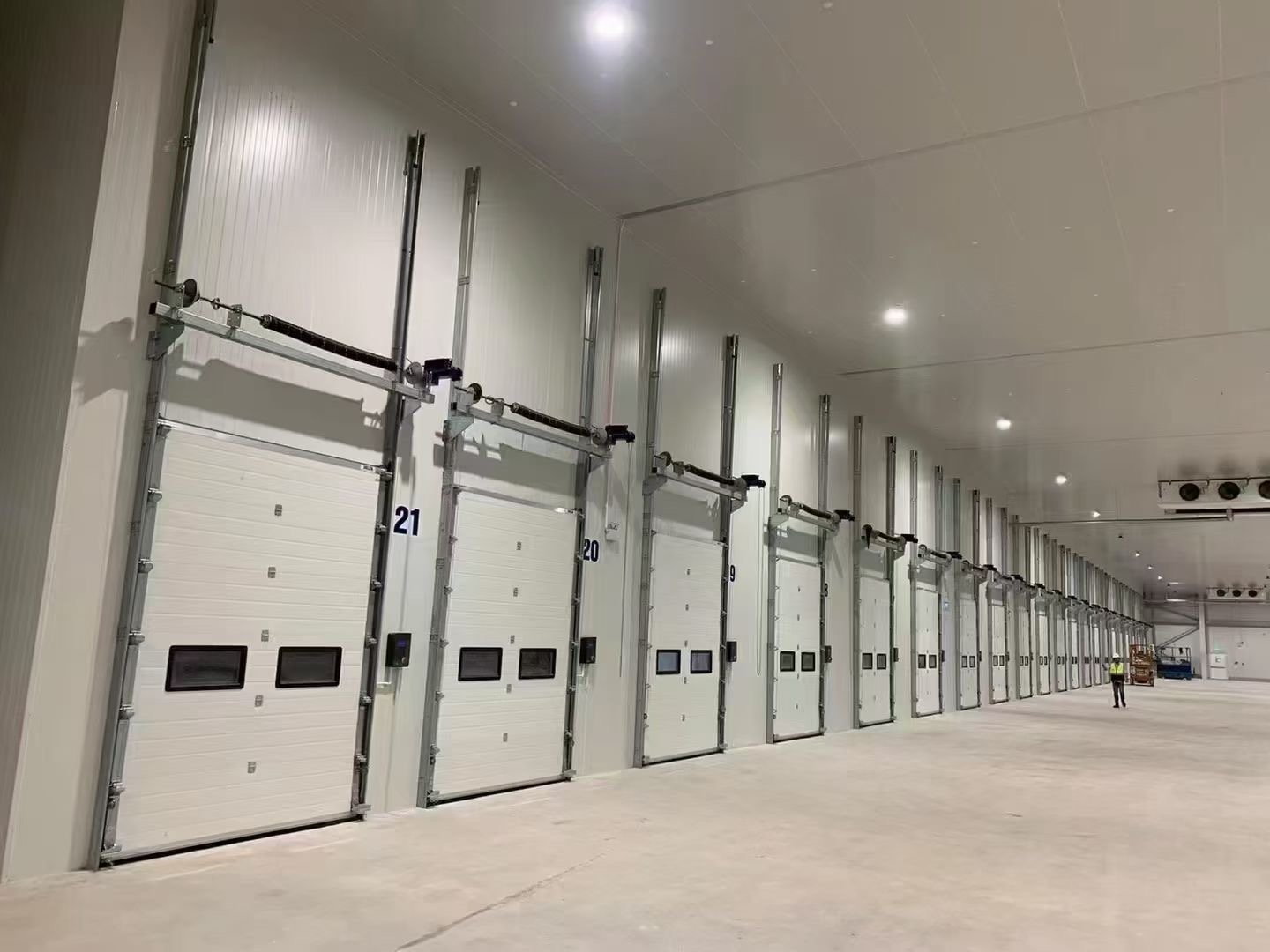
In many industrial facilities, doors were traditionally seen as simple entry points — just something that opens and closes without much impact. Today, however, sectional doors have evolved into high-performance solutions that play a key role in improving warehouse efficiency, operational safety, and energy management.
Modern sectional doors offer far more than basic access. They help regulate indoor temperature, minimize dust and air infiltration, and enhance overall building security. With improved insulation and tight sealing, they also contribute to lower energy consumption, making them an ideal choice for warehouses, logistics centers, and industrial buildings.
As industries such as logistics, cold chain operations, and e-commerce continue to grow, the need for reliable and efficient door systems has increased significantly. Sectional doors are now an essential part of maintaining smooth operations and optimizing performance in high-demand working environments.
Sectional doors are designed for efficiency and performance in environments that require frequent use. They differ from traditional swinging or sliding doors in several key ways that make them ideal for modern industrial operations.
One of the biggest advantages of sectional doors is their vertical opening mechanism. Unlike sliding or swinging doors, sectional doors open upwards along tracks, eliminating the need for extra space in front or behind the door.
This is especially valuable in busy warehouses and factories where space utilization is crucial. It allows vehicles, such as forklifts, to get closer to the door and operate more efficiently within the confined spaces.
By not requiring additional space for operation, sectional doors help maximize the usable area inside a building. This is especially important in warehouses or distribution centers where space is often at a premium. The vertical opening allows for better organization and workflow within the facility.
Sectional doors are typically built with reinforced panels and tracks, making them highly durable and reliable for industrial environments.
Sectional doors often come with insulated panels, providing an extra layer of protection against temperature fluctuations. This is especially important in facilities that need to maintain controlled environments, like cold storage warehouses or food processing facilities.
These doors also contribute to energy savings by reducing heat transfer between the indoors and outdoors.
Sectional doors are built to withstand harsh weather conditions, especially in areas where strong winds are common. The design of the panels and the track system allows them to resist external forces, making them suitable for exterior applications in all kinds of weather conditions.
Sectional doors are not just for access—they improve overall operational efficiency and productivity in various ways. Below are some key areas where they make a significant difference.
One of the key benefits of sectional doors is their ability to open and close quickly. In busy loading docks, every second counts. Sectional doors are designed to operate smoothly and efficiently, ensuring vehicles can pass through quickly without delays.
This significantly reduces waiting time and increases the flow of goods, especially in high-volume operations like warehouses and distribution centers.
In facilities that operate around the clock, sectional doors must function reliably throughout the day and night. Unlike traditional doors, which may be more prone to mechanical failures, sectional doors are designed for heavy-duty use and can support continuous operations without frequent breakdowns.
Sectional doors play a crucial role in regulating the internal environment of a facility, which can improve both operational efficiency and worker comfort.
In warehouses that store temperature-sensitive products, maintaining the internal temperature is critical. Sectional doors, with their insulated panels, help to keep the building’s internal climate stable, reducing energy consumption and ensuring that goods are stored at the right temperature.
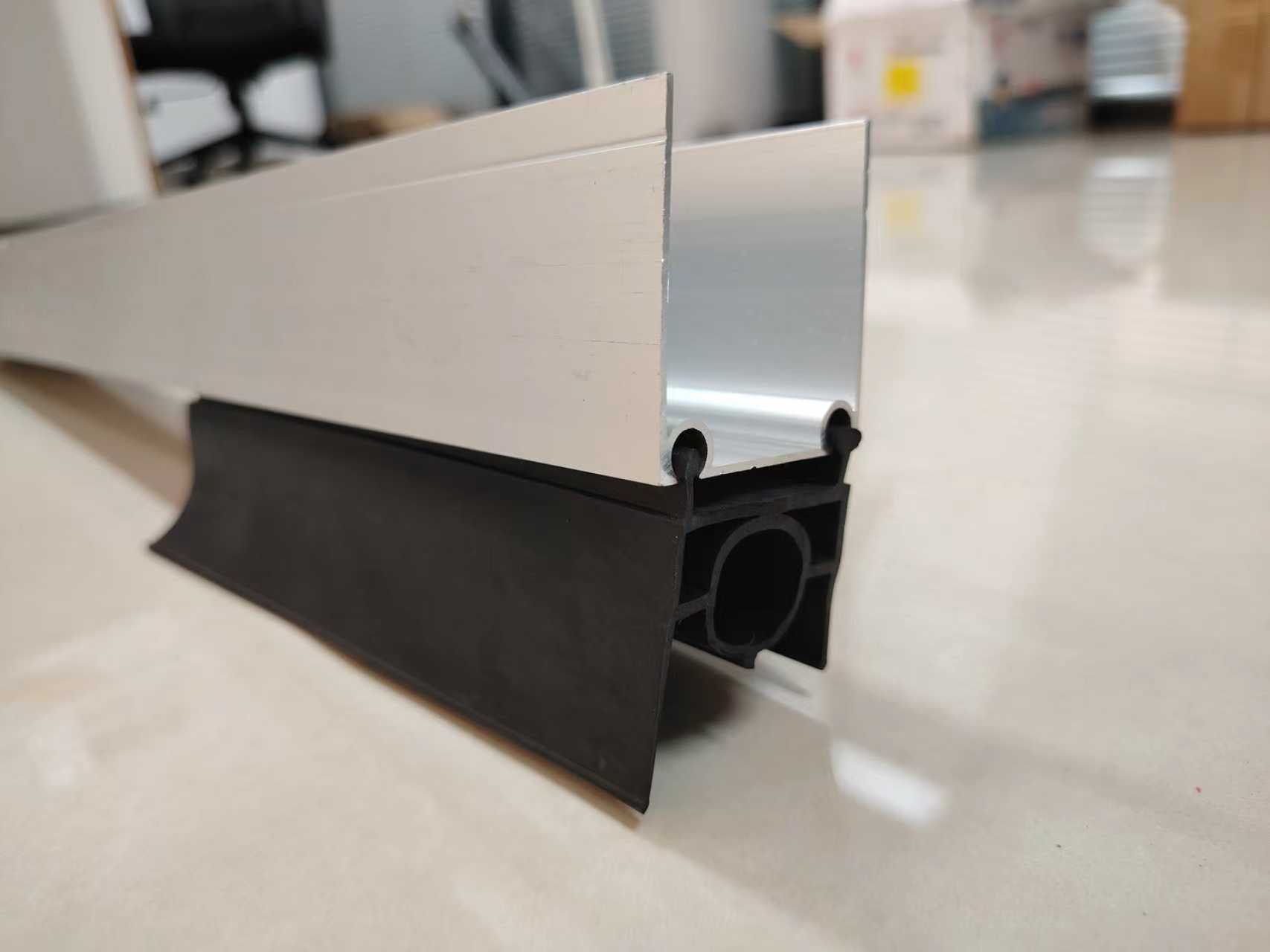
The tight seals on sectional doors help prevent external air, dust, and pollutants from entering the facility. This is especially important in clean environments like pharmaceutical manufacturing or food processing, where maintaining air quality is essential.
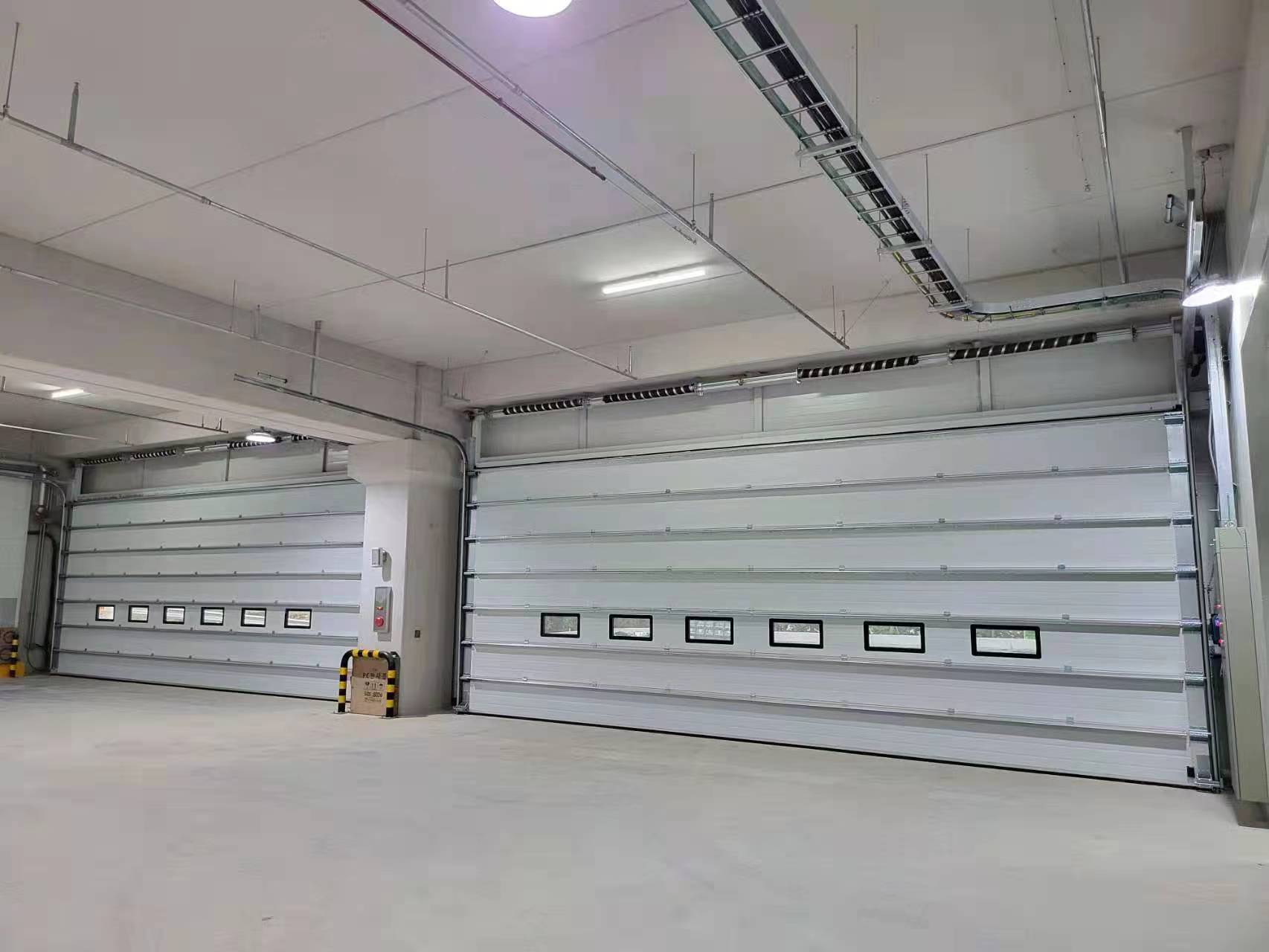
Sectional doors are built with safety in mind. Their design incorporates several key features that help prevent accidents and damage, both to people and equipment.
Sectional doors are mounted on sturdy tracks, which provide controlled and stable movement. This ensures that the doors operate smoothly and without unexpected movements, reducing the risk of accidents in busy industrial environments.
Additionally, sectional doors are typically equipped with safety features such as safety edges, sensors, and emergency stop systems that protect workers from accidents.
The stable operation of sectional doors minimizes the chances of malfunction, reducing the likelihood of accidents or damage to vehicles and equipment. Furthermore, sectional doors are often integrated with safety systems like safety edges and photocells, which detect obstructions and stop the door if necessary.
Sectional doors can be integrated into larger safety systems within a warehouse or factory.
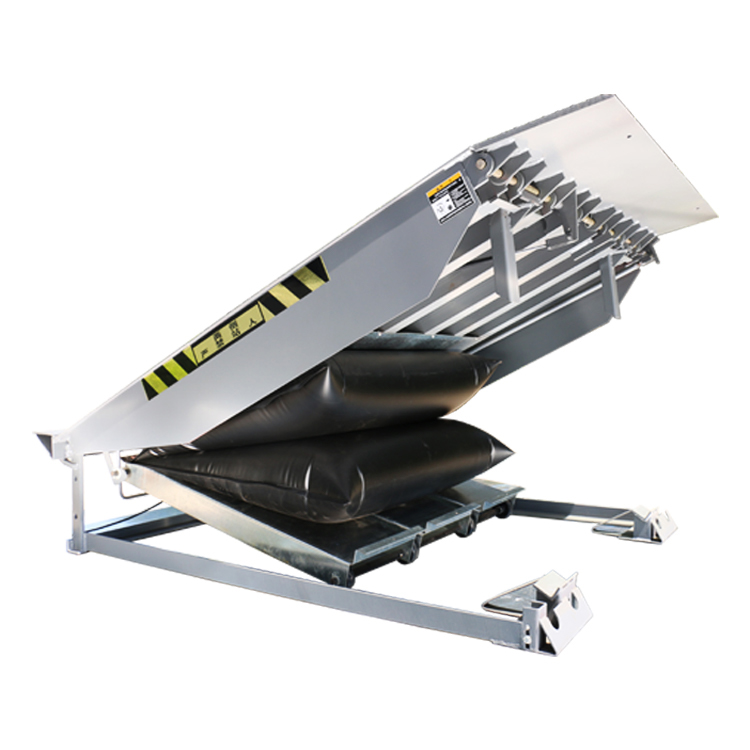
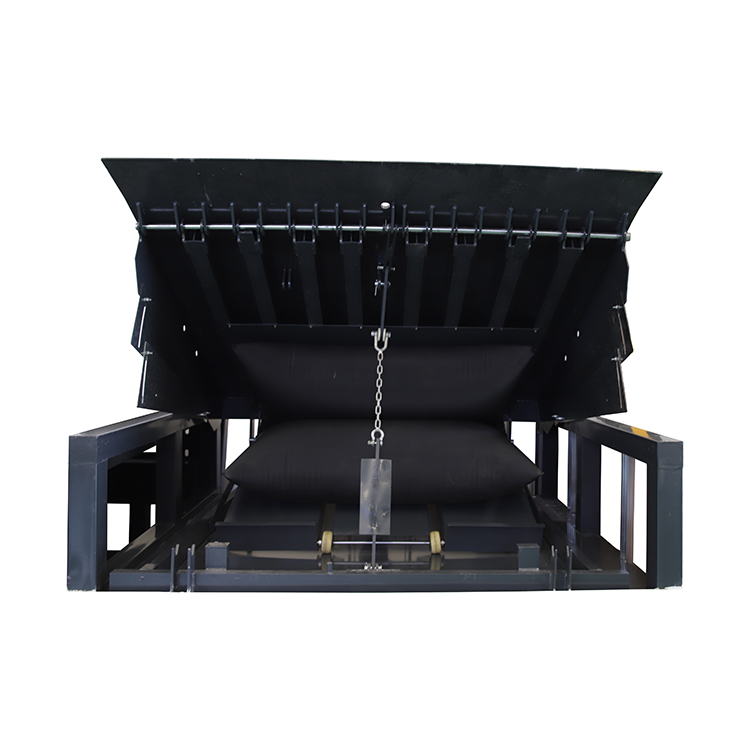
Sectional doors can be paired with loading dock levelers, vehicle restraints, and shelters to ensure smooth and safe loading and unloading processes. The synchronized operation of these systems helps to prevent accidents caused by misalignment or improper vehicle positioning.
Sectional doors can also be connected to access control systems, limiting entry to authorized personnel only. This adds an extra layer of security to warehouses and distribution centers, helping control the flow of people and vehicles in and out of the facility.
Sectional doors contribute significantly to a building’s overall energy efficiency by providing thermal insulation and reducing energy loss.
The insulated panels used in sectional doors help to maintain a consistent internal temperature by preventing heat from escaping or entering. This is crucial in facilities where temperature control is important, such as cold storage warehouses or cleanroom environments.
Tight seals around the edges of sectional doors ensure that air doesn’t leak in or out of the facility. This minimizes heating and cooling costs, especially in facilities where the indoor temperature needs to be carefully regulated.
Sectional doors are designed to require less maintenance compared to other types of doors. Their durable design and smooth operation reduce the frequency of repairs and ensure that the doors last for many years.
When properly maintained, sectional doors can operate for many years without significant wear and tear. Their robust design, combined with high-quality materials, ensures that they remain reliable and functional over time.
One of the greatest advantages of sectional doors is their ability to be customized to fit a wide range of building openings. Whether the opening is standard or unusually large, sectional doors can be made to fit any requirement.
Different panel thicknesses and materials can be selected to meet specific needs, whether it’s for insulation, wind resistance, or aesthetics. Customization ensures that the door fits the specific needs of the facility.
Sectional doors are widely used in warehouses and logistics centers because they offer high durability, fast operation, and energy efficiency. They can be customized to meet the demands of these high-traffic environments.
In manufacturing facilities, sectional doors provide reliable and secure access for both people and vehicles. Their strong design helps maintain safety standards and ensures smooth operations in busy factories.
Sectional doors are no longer just a simple means of access; they are a multi-functional solution that improves efficiency, safety, energy conservation, and long-term reliability.
From reducing energy loss and improving safety to offering a customizable solution for a variety of industrial needs, sectional doors have become a cornerstone of modern warehouse and manufacturing facility design.
If you’re looking for a door that can do more than just open and close, sectional doors are the ideal solution to meet your operational goals and provide a high level of performance over the long term.