A dock leveler may look like a simple steel platform, but in daily warehouse work it solves one of the most expensive problems in logistics: the unsafe and inefficient height gap between a truck bed and the loading dock. When forklifts, pallet trucks, workers, and goods move across that gap dozens or hundreds of times a day, even a small mismatch can cause delays, product damage, equipment wear, and serious safety risks. This article explains how a dock leveler works, which types are commonly used, what buyers should compare before purchasing, and how companies can choose a practical solution for factories, warehouses, cold storage facilities, distribution centers, and high-traffic loading areas.
This blog begins with the real loading dock problems that push companies to look for a dock leveler. It then explains the basic working principle, introduces several common product types, compares their suitable applications, and provides a practical purchasing checklist. The article also covers maintenance, safety details, supplier evaluation, and frequently asked questions from warehouse owners, logistics managers, purchasing teams, and facility contractors.

In many warehouses, loading and unloading look routine until the dock area starts slowing everything down. A truck arrives slightly higher than expected. Another truck bed sits lower because of its suspension or cargo weight. A forklift driver needs to slow down, adjust the route, or cross a rough gap with extra caution. Workers may place temporary boards, ramps, or improvised plates to keep the operation moving. That may seem acceptable for a few emergency cases, but it is not a reliable long-term loading solution.
A dock leveler is designed to make this movement safer and smoother. It creates a stable bridge between the dock floor and the vehicle. Instead of forcing people and machines to deal with uneven surfaces, it allows forklifts and pallet trucks to enter and exit the trailer with better stability. For high-volume warehouses, that difference can affect daily throughput, operator confidence, equipment wear, and product protection.
The value of a dock leveler is not only in speed. It also helps reduce avoidable damage. When goods pass over an unstable gap, pallets may shift, cartons may fall, and fragile products may suffer impact. Forklift tires and suspension components also experience repeated stress. Over time, these small issues become expensive: more repairs, more complaints, more rejected goods, and more pressure on the loading team.
For companies handling food, cold chain products, machinery, retail goods, packaging materials, chemicals, auto parts, or export cargo, loading dock reliability is not a decorative detail. It is part of daily operational control. A well-selected dock leveler helps the loading bay behave like a planned industrial system rather than a problem area that workers must constantly improvise around.
A dock leveler usually works as a movable platform installed in a recessed pit at the loading bay or mounted at the dock edge, depending on the model. When a truck is parked at the dock, the leveler platform rises. A lip then extends outward and rests on the truck bed. This creates a controlled transition surface between the warehouse floor and the vehicle.
Once the lip is positioned correctly, forklifts and pallet trucks can move across the platform into the trailer. After loading or unloading is complete, the dock leveler returns to its stored position. This simple movement solves a complicated site problem: trucks are not always the same height, and warehouse floors cannot be adjusted for every vehicle.
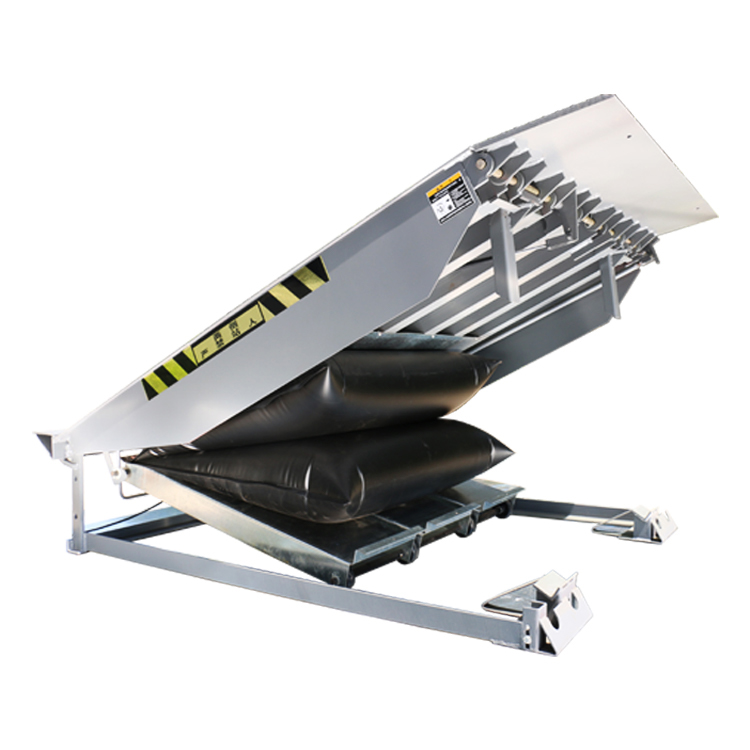
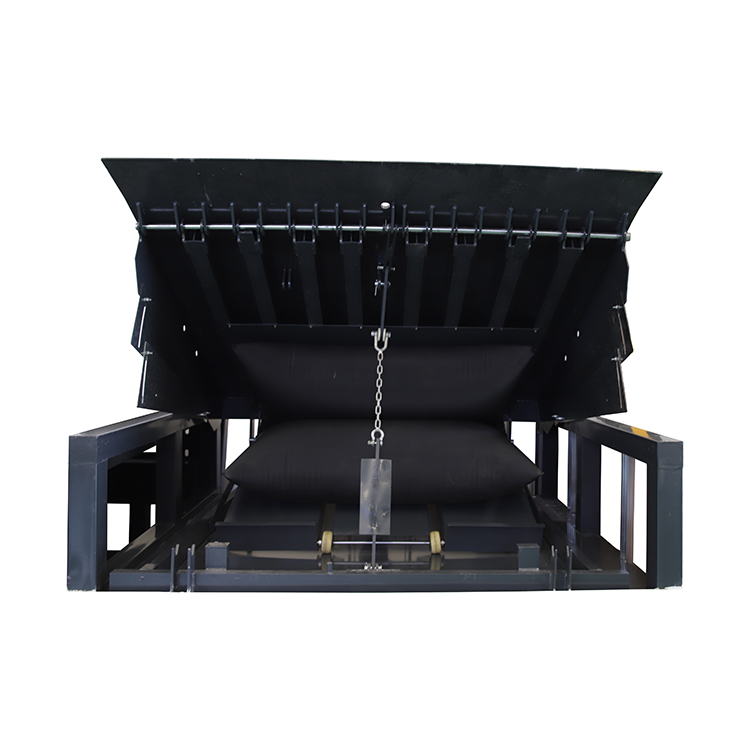
Different dock leveler systems use different lifting methods. Hydraulic models use cylinders and pumps for powered movement. Airbag models use an air lifting system. Mechanical models rely on spring-assisted movement. Telescopic models use an extendable lip for more precise reach, especially when truck positioning varies. Vertical dock levelers store upright, which is useful for facilities that need better sealing, hygiene, or temperature control.
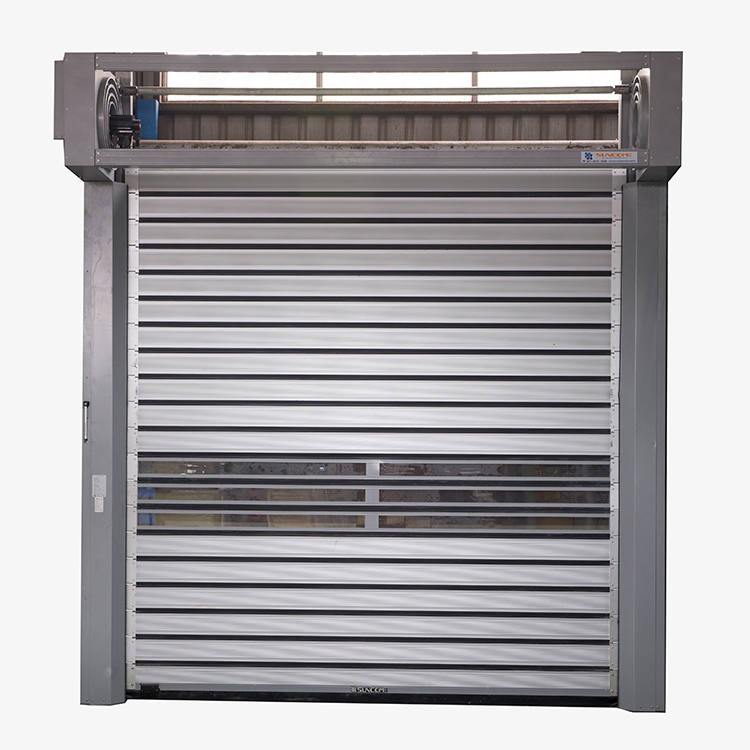
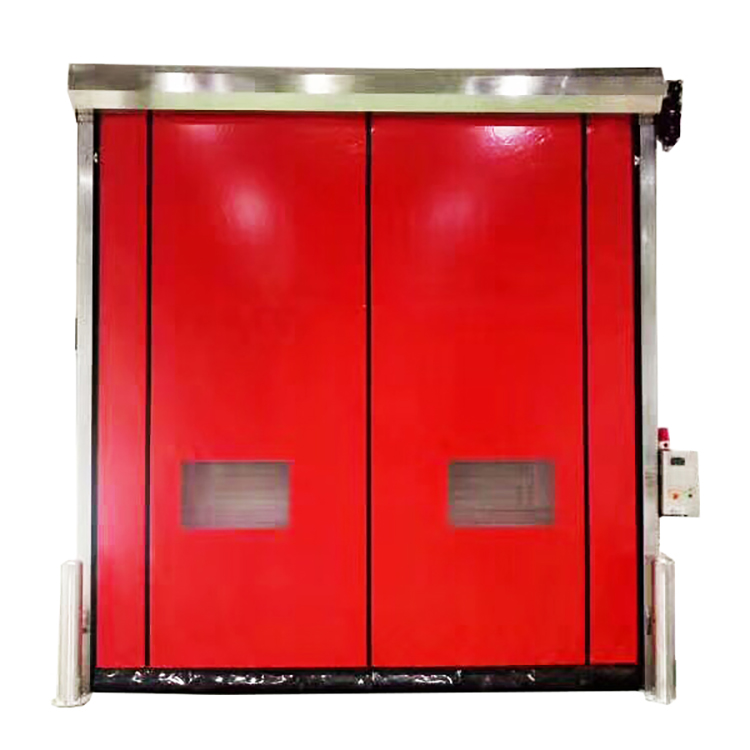
A good dock leveler should not only rise and fall. It should also feel stable under repeated traffic. Buyers should pay attention to platform strength, anti-slip surface treatment, lip length, safety legs, side guards, control box design, emergency stop functions, and compatibility with dock seals, dock shelters, industrial doors, and vehicle restraint systems.
The best dock leveler is not always the most expensive one. It is the one that matches truck height range, forklift weight, traffic frequency, cargo type, dock structure, cleaning needs, temperature control requirements, and maintenance capacity.
Buyers often start by asking for a general dock leveler quotation, but the better question is what kind of working condition the loading bay faces every day. A warehouse with ten trucks per week does not need the same design as a busy distribution center handling continuous forklift traffic. A cold storage facility does not have the same priorities as a standard dry goods warehouse. This is why product type matters.
Everbesten Industrial Limited Co., Ltd. provides dock leveler-related solutions for loading bay applications, and buyers can evaluate different configurations according to site layout, traffic demand, cargo weight, and operational priorities. Instead of choosing by product name alone, it is better to match the equipment with the real loading rhythm of the facility.
Many customers do not buy a dock leveler because they simply want another piece of equipment. They buy it because loading operations are creating visible pain. These pain points often appear in several forms.
The first pain point is safety. Uneven transitions increase the chance of forklift vibration, wheel impact, pallet instability, and worker missteps. In busy dock areas, even one accident can interrupt operations and create long-term cost. A stable dock leveler gives operators a more predictable path between the building and the truck.
The second pain point is speed. When workers must slow down every time they cross the dock gap, the delay repeats throughout the day. The cost is not always obvious in one movement, but it becomes clear across hundreds of loading cycles. A suitable dock leveler helps reduce hesitation and makes the traffic flow more natural.
The third pain point is product damage. Cargo damage during loading is frustrating because it happens after production, packing, and inspection have already been completed. By improving the transition between dock and trailer, a dock leveler helps protect pallets, cartons, crates, and finished goods from unnecessary impact.
The fourth pain point is inconsistent vehicle height. A company may receive trucks from different carriers, regions, or vehicle categories. The dock leveler compensates for reasonable height differences, allowing the loading bay to serve more vehicles without constant manual adjustment.
The fifth pain point is maintenance pressure. Poorly matched equipment wears quickly. If the platform is too light, the lip is too short, or the control system is unsuitable for the traffic frequency, downtime becomes a recurring issue. Selecting the correct dock leveler from the beginning is often cheaper than repairing the wrong one later.
A responsible purchasing decision should begin with site information. Before requesting a quotation, buyers should collect basic loading bay details. This makes the supplier’s recommendation more accurate and reduces the risk of ordering equipment that does not fit the project.
Buyers should also consider long-term use rather than only the initial price. A cheaper product that causes downtime, repairs, or safety concerns can become more expensive than a stronger and better-matched solution. Good loading bay equipment should support the workflow, not become another problem for the maintenance team.
| Dock Leveler Type | Best Suitable For | Main Advantages | Buyer Considerations |
|---|---|---|---|
| Hydraulic Dock Leveler | High-frequency warehouses, factories, logistics centers | Powered operation, stable lifting, efficient control, suitable for heavy daily use | Requires proper power supply and regular inspection of hydraulic components |
| Airbag Dock Leveler | Standard loading bays seeking clean and simple lifting operation | No traditional hydraulic oil lifting cylinder in the main movement system, smooth use, practical maintenance | Should be matched with correct load and traffic frequency |
| Mechanical Dock Leveler | Lower-frequency loading docks and budget-sensitive projects | Simple structure, no powered lifting system, economical operation | Manual operation requires trained workers and routine spring adjustment |
| Manual Edge Dock Leveler | Limited dock space, lighter loading work, existing dock edges | Compact installation, lower civil work requirements, practical for smaller sites | Not ideal for very heavy or very frequent forklift traffic |
| Telescopic Dock Leveler | Distribution centers, varied truck positions, precision loading needs | Extendable lip, better reach control, improved loading accuracy | Usually needs more careful specification and project planning |
| Vertical Dock Leveler | Cold storage, food processing, clean warehouses, sealed dock areas | Stores upright, supports better doorway sealing, improves hygiene and temperature control | Requires suitable dock layout and installation planning |
A dock leveler works in a demanding area. Forklifts pass over it, trucks contact the dock, dust accumulates, and operators rely on it every day. Regular maintenance is not complicated, but it must be consistent.
The platform surface should be checked for damage, deformation, or excessive wear. Anti-slip patterns need to remain effective because smooth or contaminated surfaces can reduce traction. The lip should move freely and rest properly on the truck bed. Hinges, pins, springs, cylinders, airbags, safety legs, and control buttons should be inspected according to the product type.
Operators should also be trained. Many equipment problems come from incorrect use, not product failure. For example, a dock leveler should not be used beyond its rated capacity. Forklifts should cross at a controlled speed. The truck should be properly positioned before loading begins. When dock seals, shelters, and vehicle restraints are installed, workers should understand how these systems work together.
Good maintenance protects more than the equipment. It protects the loading schedule. When the dock leveler stops working, trucks may wait, workers may lose time, and orders may be delayed. Preventive inspection is usually easier than emergency repair during peak shipping hours.

Loading bay equipment is not the kind of product that should be selected from a picture alone. Dimensions, load capacity, pit structure, control requirements, and site layout all affect the final result. This is why supplier capability matters.
A capable dock leveler supplier should be able to ask the right questions before recommending a model. The supplier should understand whether the customer needs a standard hydraulic dock leveler, an airbag design, a vertical solution, a telescopic lip, or a compact edge-of-dock product. The supplier should also provide clear communication about installation conditions, maintenance needs, spare parts, and after-sales support.
For international buyers, communication matters even more. Export packaging, documentation, delivery schedule, technical drawings, and remote support can influence the entire purchasing experience. A dock leveler is often part of a larger loading bay system, so buyers benefit from working with a company that understands related equipment such as industrial doors, dock seals, dock shelters, and vehicle restraint systems.
Everbesten Industrial Limited Co., Ltd. can be considered by buyers who are looking for loading bay equipment support and dock leveler solutions for industrial, warehousing, logistics, and distribution applications. The right discussion should begin with real working conditions, not only a request for the lowest price.
Q1: What is the main purpose of a dock leveler?
A dock leveler bridges the height difference and physical gap between a loading dock and a truck bed. It helps forklifts, pallet trucks, workers, and goods move more safely and efficiently during loading and unloading.
Q2: Which dock leveler is better for frequent forklift traffic?
Hydraulic dock levelers are commonly preferred for frequent loading operations because they provide powered movement, stable control, and convenient operation. However, the final choice should still depend on capacity, dock design, vehicle range, and budget.
Q3: Is a vertical dock leveler suitable for cold storage?
Yes. A vertical dock leveler can be a strong option for cold storage and clean environments because it stores upright and allows the dock door area to remain better sealed when the equipment is not in use.
Q4: Do all dock levelers require a pit?
Not all models require the same installation structure. Traditional pit-style dock levelers usually need a recessed pit, while edge-of-dock models can be installed at the dock edge in suitable applications. Site measurements should be checked before ordering.
Q5: How do I know the correct load capacity?
Buyers should calculate the total working load, including forklift weight and maximum cargo weight. It is safer to discuss real working conditions with the supplier rather than choosing capacity based only on cargo weight.
Q6: Can a dock leveler be customized?
In many industrial projects, dock levelers can be configured according to platform size, load capacity, control method, lip design, power supply, and installation requirements. Customization is especially useful when the site has special dock dimensions or vehicle conditions.
Q7: What information should I prepare before asking for a quotation?
Prepare dock height, pit size, truck bed height range, forklift weight, cargo weight, daily loading frequency, power supply, working environment, and whether the dock leveler needs to work with doors, seals, shelters, or vehicle restraints.
A dock leveler is not just a steel platform at the warehouse door. It is a key part of loading bay safety, efficiency, and workflow control. The right solution helps reduce unstable movement, protect cargo, support forklift traffic, improve loading speed, and make daily operations more predictable.
Buyers should avoid choosing a dock leveler by price alone. A better decision comes from matching the equipment with real site conditions: truck height range, forklift load, traffic frequency, dock structure, temperature control, hygiene needs, and maintenance expectations. Whether the project requires a hydraulic dock leveler, airbag dock leveler, telescopic dock leveler, vertical dock leveler, mechanical dock leveler, or edge-of-dock solution, the goal should always be the same: safer loading, fewer delays, and smoother movement between the warehouse and the truck.
If your warehouse, factory, cold storage facility, or logistics center is facing loading delays, uneven truck height problems, forklift vibration, product damage, or safety concerns, Everbesten Industrial Limited Co., Ltd. can help you review your working conditions and discuss a suitable dock leveler solution. Share your dock size, vehicle height range, load requirements, and project details with our team, and contact us today for a practical loading bay recommendation tailored to your operation.